

Overview of U.S. Steel Import Regulations in 2026
As of 2026, importing steel from China to the United States remains a complex and highly regulated process shaped by ongoing geopolitical tensions, evolving supply chain strategies, and a U.S. trade policy framework that prioritizes national security and domestic industry protection. Under the Biden administration, trade policy has continued to emphasize strategic competition with China, particularly in critical sectors like steel, which is deemed essential for infrastructure, defense, and manufacturing resilience. Recent policy updates in 2025 reinforced scrutiny on Chinese-origin goods, including enhanced enforcement of trade remedies and increased coordination between federal agencies to prevent circumvention of existing duties.
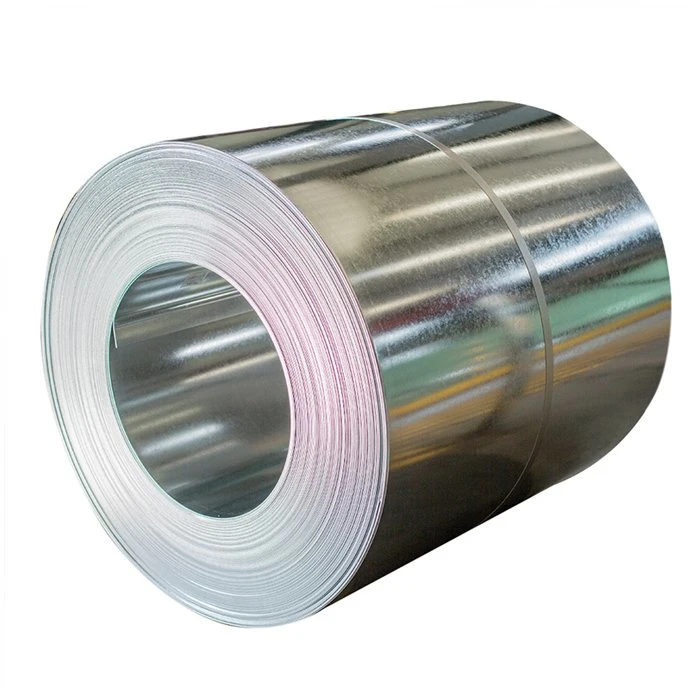
Simultaneously, global supply chains are undergoing significant realignment, with many U.S. manufacturers seeking to reduce dependency on Chinese suppliers due to tariff burdens, regulatory uncertainty, and logistical risks. Despite these challenges, China remains a major exporter of steel products, and for certain specialized or cost-sensitive applications, importing from Chinese mills may still be economically viable—provided importers navigate the regulatory landscape with precision and foresight.
Key Regulatory Bodies Governing Steel Imports
- U.S. Customs and Border Protection (CBP): Responsible for enforcing import laws, collecting duties, and ensuring compliance at the border. CBP oversees entry processing, cargo inspections, and the Automated Commercial Environment (ACE) system.
- International Trade Administration (ITA): A division of the Department of Commerce that administers anti-dumping and countervailing duty investigations and provides trade data and market analysis.
- Department of Commerce (DOC): Conducts trade remedy proceedings, including anti-dumping (AD) and countervailing duty (CVD) investigations, and maintains the Steel Import Monitoring and Analysis (SIMA) system.
- Office of the U.S. Trade Representative (USTR): Leads negotiations on international trade agreements and represents U.S. interests in disputes before the World Trade Organization (WTO), including challenges related to Section 232 tariffs.
Tariff Landscape for Chinese Steel in 2026
The tariff environment for Chinese steel imports in 2026 is defined by overlapping layers of trade remedies, each adding cost and compliance complexity. Importers must account for multiple duty types that often apply cumulatively, significantly increasing the total landed cost of Chinese-origin steel.
Section 232 National Security Tariffs
Under Presidential Proclamation 9705, a 25% ad valorem tariff is imposed on most steel imports into the United States, justified on national security grounds under Section 232 of the Trade Expansion Act of 1962. As of 2026, this tariff remains in full effect for Chinese steel, with limited exclusions. While temporary product-specific exclusions were granted in prior years, most have either expired or been reinstated, leaving Chinese exporters subject to the full 25% duty. Notably, this tariff applies regardless of whether the product is also subject to anti-dumping or countervailing duties, creating a compounded financial impact.
Anti-Dumping (AD) and Countervailing Duties (CVD)
In addition to Section 232 tariffs, numerous Chinese steel products are subject to AD and CVD orders based on findings of unfair trade practices. For example, cold-rolled steel, stainless steel sheet, and certain tubular products face AD rates ranging from 30% to over 200%, depending on the exporter and product type. The Department of Commerce conducts periodic sunset reviews to determine whether these duties should continue; as of 2026, most orders have been extended, reflecting sustained concerns about Chinese overcapacity and state subsidies.
Crucially, AD and CVD duties are applied on top of the Section 232 tariff, meaning importers may face total duty rates exceeding 50% in some cases. Accurate identification of applicable AD/CVD case numbers and corresponding duty rates is essential to avoid underpayment or customs delays.
Generalized System of Preferences (GSP) and Other Exemptions
China is not eligible for benefits under the Generalized System of Preferences (GSP), which provides duty-free access to the U.S. market for certain products from developing countries. No broad-based exemptions for Chinese steel are anticipated in 2026, though limited product-specific exclusions under Section 232 may be granted on a case-by-case basis. Importers should monitor Federal Register notices for any temporary relief, though such measures remain rare and narrowly targeted.
Required Documentation for Importing Steel from China
Compliance with U.S. import regulations demands meticulous documentation. Failure to provide complete and accurate paperwork can result in shipment holds, penalties, or seizure of goods.
Core Commercial Documents
- Commercial Invoice: Must include a detailed description of the steel product, Harmonized Tariff Schedule of the United States (HTSUS) classification, country of origin (China), and transaction value. The invoice should clearly state whether the goods are subject to AD/CVD duties.
- Packing List: Specifies the number of packages, weight, dimensions, and markings to facilitate cargo inspection and verification.
- Bill of Lading or Airway Bill: Serves as the contract of carriage and proof of shipment. For ocean freight, a negotiable bill of lading is typically required.
- Certificate of Origin: Must be issued by the exporter or manufacturer and explicitly declare China as the country of origin. Self-certification is acceptable under U.S. rules, but third-party verification may be requested during audits.
Regulatory and Compliance Certifications
- Mill Test Certificates (MTCs): Provide critical data on chemical composition, mechanical properties, and heat treatment, ensuring the steel meets ASTM or other applicable standards. CBP and end-users often require MTCs for quality assurance and regulatory compliance.
- Import Licenses: Required for certain steel products under the SIMA system. Importers must obtain a license through the DOC’s online portal before shipment arrival. Licenses are typically issued within minutes but must be secured in advance.
- Environmental and Safety Certifications: While not always mandatory for entry, compliance with ASTM, ASME, or ISO standards may be required by downstream customers or for use in regulated industries such as construction or energy.
Customs Entry Documentation
- CBP Form 7501 (Entry Summary): Filed by the importer or their customs broker to declare the value, classification, and duty liability of the goods.
- Bonded Carrier Documentation: Required when goods are transported under bond from the port of entry to an inland destination.
- ACE Filing Requirements: All import data must be submitted electronically through the Automated Commercial Environment (ACE), CBP’s centralized portal for trade processing.
Classification and Valuation: Critical Steps for Compliance
Accurate HTSUS classification and customs valuation are foundational to compliant and cost-effective steel imports. Errors in either area can lead to significant financial penalties, shipment delays, or even criminal liability.
Harmonized Tariff Schedule (HTSUS) Classification
Steel products are classified under Chapter 72 (Iron and Steel) and Chapter 73 (Articles of Iron or Steel) of the HTSUS. Common classifications include:
- 7208.xx – Flat-rolled products of iron or non-alloy steel, of a width of 600 mm or more, hot-rolled
- 7210.xx – Flat-rolled products of iron or non-alloy steel, of a width of 600 mm or more, plated or coated
- 7304.xx – Tubes, pipes, and hollow profiles, seamless, of iron or steel
Misclassification can result in incorrect duty rates, especially when AD/CVD orders are tied to specific HTSUS codes. For complex or borderline products, importers are advised to request a binding ruling from CBP to obtain official classification guidance.
Customs Valuation Methods
The primary method for determining customs value is the transaction value—the price actually paid or payable for the goods when sold for export to the U.S. This value must be supported by documentation such as purchase contracts, invoices, and payment records. Importers must also declare assists (e.g., tooling, design work provided free or at reduced cost by the buyer) and royalties, which can increase the dutiable value.
Undervaluation is a major enforcement priority for CBP. Penalties under 19 U.S.C. § 1484 can include fines up to the domestic value of the merchandise and loss of import privileges. Maintaining transparent and consistent valuation practices is essential.
Strategic Considerations for Importers in 2026
Given the high costs and regulatory risks associated with Chinese steel, importers must adopt strategic approaches to mitigate exposure and maintain supply chain resilience.
Supply Chain Diversification and Nearshoring Trends
Many U.S. manufacturers are shifting sourcing to alternative markets such as Vietnam, India, and Mexico, where lower labor costs and favorable trade agreements (e.g., USMCA) reduce tariff burdens. Additionally, U.S. infrastructure investments under the Bipartisan Infrastructure Law are boosting domestic steel demand, incentivizing investment in American production capacity.
Duty Mitigation Strategies
- Foreign Trade Zones (FTZs): Allow importers to store, manipulate, or manufacture goods in a designated zone without paying duties until the products enter the U.S. market. This can improve cash flow and enable duty exemptions on re-exported goods.
- Tariff Engineering: Modifying product design or composition to qualify for a lower-duty HTSUS classification, provided the changes are commercially justified and not solely for tariff avoidance.
- Monitoring Quota Systems: There is growing discussion about replacing flat Section 232 tariffs with tariff-rate quotas (TRQs), which would allow a certain volume of imports at a lower rate. Importers should stay informed about potential policy shifts.
Compliance Best Practices
- Engage a licensed customs broker with expertise in steel imports to manage entry filings and regulatory inquiries.
- Conduct due diligence on Chinese suppliers, including factory audits and verification of export licenses.
- Maintain comprehensive records—including invoices, classifications, valuations, and correspondence—for at least five years, as required by CBP.
Conclusion: Navigating a Complex but Manageable Landscape
Importing steel from China to the United States in 2026 involves navigating a multilayered framework of tariffs, documentation requirements, and regulatory oversight. While the cumulative duty burden—especially when Section 232, AD, and CVD duties apply—can be substantial, compliant and strategic import operations remain feasible. Success hinges on accurate HTSUS classification, transparent valuation, thorough documentation, and proactive engagement with trade experts. By leveraging duty mitigation tools, diversifying supply chains, and adhering to compliance best practices, importers can manage risk and maintain competitiveness in a challenging but navigable trade environment.