

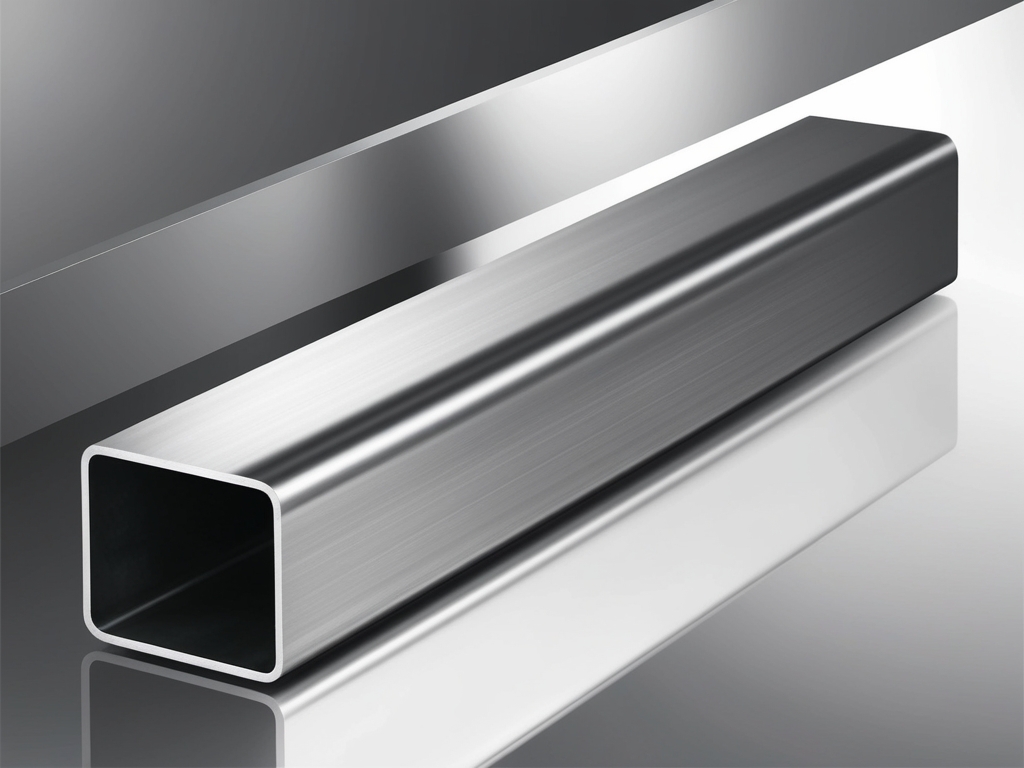
## Stainless Steel Rectangular Tube Sizes: A Comprehensive Overview


Stainless steel rectangular tubes are versatile components used across a multitude of industries, from construction and automotive to medical and food processing. Their strength, corrosion resistance, and aesthetic appeal make them a popular choice for a wide array of applications. However, the sheer variety of available sizes can be overwhelming. Understanding the specifications surrounding stainless steel rectangular tube sizes is crucial for selecting the right material for a given project.

The dimensions of stainless steel rectangular tubes are typically defined by two key parameters: **outside dimensions** and **wall thickness**. The outside dimensions represent the length of the longer and shorter sides of the rectangle, often expressed in millimeters or inches. Wall thickness refers to the material’s thickness, again typically expressed in millimeters or inches. These dimensions are critical in determining the tube’s structural integrity, weight, and overall suitability for its intended purpose.
Manufacturers offer a broad range of sizes, catering to different needs. Smaller rectangular tubes, with dimensions measured in millimeters, are frequently found in intricate designs and smaller-scale applications. Larger tubes, measured in inches, are commonly used in heavier-duty applications demanding greater strength and load-bearing capacity. The specific dimensions available vary considerably depending on the manufacturer and the grade of stainless steel used. Common grades include 304, 316, and 430, each possessing different properties impacting its suitability for particular environments. For example, 316 stainless steel is preferred in marine applications due to its enhanced resistance to chloride corrosion.
Beyond the standard dimensions, factors like **tolerances** and **surface finishes** also play a significant role. Tolerances define the permissible variations in the dimensions, ensuring consistent quality and fitting. Surface finishes, ranging from polished to brushed, impact both the aesthetic appeal and the tube’s functional properties. A polished finish can improve corrosion resistance, whereas a brushed finish might be preferred for a more subdued aesthetic.
Selecting the appropriate stainless steel rectangular tube size requires careful consideration of several factors:
* **Application:** The intended use dictates the required strength, corrosion resistance, and overall dimensions.
* **Load-bearing capacity:** Heavier loads necessitate larger tubes with thicker walls.
* **Environmental conditions:** Exposure to harsh environments might necessitate specific grades of stainless steel with superior corrosion resistance.
* **Budget:** Different sizes and grades of stainless steel come with varying price points.
Manufacturers often provide detailed specifications and datasheets for their rectangular tubes, outlining dimensions, tolerances, and material properties. Consulting these resources is essential for making informed decisions and ensuring the chosen tubes meet the project’s requirements. Understanding the intricacies of stainless steel rectangular tube sizes ensures the successful completion of any project utilizing this versatile material. Choosing the right size is paramount for achieving optimal performance, durability, and cost-effectiveness.
Stainless Steel Rectangular Tube Sizes: A Complete Guide to Dimensions & Selection — This article provides a practical buyer‑focused overview with specifications, selection tips, and on‑site considerations. Explore related topics: blog.
Key Specifications and Standards
- Standards: ASTM / EN / JIS (e.g., ASTM A240/A36, EN 10088/10025, JIS G4304/G3131).
- Surface options: 2B, BA, No.4, HL, mirror; galvanized (electro / hot‑dip).
- Processing: hot‑rolled, cold‑rolled, annealed & pickled, welded or seamless.
- Typical services: slitting, shearing, cut‑to‑length, drilling, beveling, deburring.
- Documentation: MTC, CO, packing list with net/gross weight and heat numbers.
Typical Applications
Construction, machinery, automotive, energy, enclosures and fencing, food equipment (for stainless), and general fabrication. Match grade and finish to corrosion, strength, and appearance requirements.
Selection Guide
- Use certified material with Mill Test Certificate (MTC).
- Confirm standards (ASTM/EN/JIS) and tolerances per drawing.
- Match surface finish to application (2B/BA/No.4/galvanized).
- Specify dimensions and acceptable deviation upfront.
- Plan packaging and corrosion protection for transit.
Processing, Packaging and Logistics
We adopt edge protection, waterproof wrapping, rust‑inhibiting paper, fumigated pallets, and strapping suitable for sea freight. Loading photos and weight lists are provided for each shipment.
FAQs
Q: What lead time can I expect?
A: Typically 7–15 days ex‑works for standard sizes; custom processing may extend the schedule.
Q: Can you provide cut‑to‑size service?
A: Yes. We slit, shear, cut, drill, bevel and deburr to drawing to reduce waste and speed installation.
Q: How do you ensure quality?
A: Incoming inspection, process control, and final inspection with traceable heat numbers; third‑party inspection is available.
Q: Do you support small trial orders?
A: We support pilot quantities with consolidated shipping to control cost.
All values are typical and for guidance only; confirm with the datasheet and purchase order before production.
Related products: view details.
Related products: view details.