


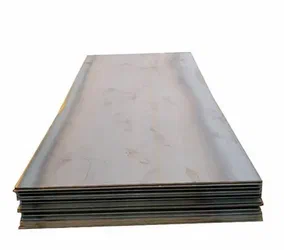
Thickness:


- 16-gauge: 0.0598 inches (1.52mm)
- 18-gauge: 0.0478 inches (1.21mm)
Strength:
- 16-gauge: Stronger, more rigid, better load-bearing capacity
- 18-gauge: More flexible, easier to form and bend
Common Uses:
16-gauge:
- Heavy-duty appliances
- Structural components
- Vehicle body panels
- Industrial cabinets
- Heavy HVAC ductwork
18-gauge:
- Light commercial applications
- Residential ductwork
- Sheet metal crafts
- Decorative panels
- Light cabinet work
Cost:
- 16-gauge: Higher material cost due to more metal content
- 18-gauge: More economical, approximately 20% less expensive
Workability:
- 16-gauge: Requires more power to cut and form, better for welding
- 18-gauge: Easier to cut and bend, suitable for manual tools
Compare 16-gauge sheet metal to 18-gauge sheet metal — This article provides a practical buyer‑focused overview with specifications, selection tips, and on‑site considerations. Explore related topics: blog.
Key Specifications and Standards
- Standards: ASTM / EN / JIS (e.g., ASTM A240/A36, EN 10088/10025, JIS G4304/G3131).
- Surface options: 2B, BA, No.4, HL, mirror; galvanized (electro / hot‑dip).
- Processing: hot‑rolled, cold‑rolled, annealed & pickled, welded or seamless.
- Typical services: slitting, shearing, cut‑to‑length, drilling, beveling, deburring.
- Documentation: MTC, CO, packing list with net/gross weight and heat numbers.
Typical Applications
Construction, machinery, automotive, energy, enclosures and fencing, food equipment (for stainless), and general fabrication. Match grade and finish to corrosion, strength, and appearance requirements.
Selection Guide
- Use certified material with Mill Test Certificate (MTC).
- Confirm standards (ASTM/EN/JIS) and tolerances per drawing.
- Match surface finish to application (2B/BA/No.4/galvanized).
- Specify dimensions and acceptable deviation upfront.
- Plan packaging and corrosion protection for transit.
Processing, Packaging and Logistics
We adopt edge protection, waterproof wrapping, rust‑inhibiting paper, fumigated pallets, and strapping suitable for sea freight. Loading photos and weight lists are provided for each shipment.
FAQs
Q: What lead time can I expect?
A: Typically 7–15 days ex‑works for standard sizes; custom processing may extend the schedule.
Q: Can you provide cut‑to‑size service?
A: Yes. We slit, shear, cut, drill, bevel and deburr to drawing to reduce waste and speed installation.
Q: How do you ensure quality?
A: Incoming inspection, process control, and final inspection with traceable heat numbers; third‑party inspection is available.
Q: Do you support small trial orders?
A: We support pilot quantities with consolidated shipping to control cost.
All values are typical and for guidance only; confirm with the datasheet and purchase order before production.
Related products: view details.
Related products: view details.



Leave a Reply