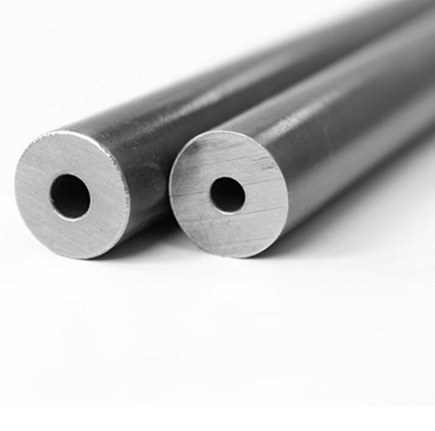
In the world of industrial and commercial applications, the demand for high-performance materials has never been greater. Among the various options available, heavy wall stainless steel tubing stands out as a premier choice for applications that require exceptional strength, corrosion resistance, and long-term reliability.


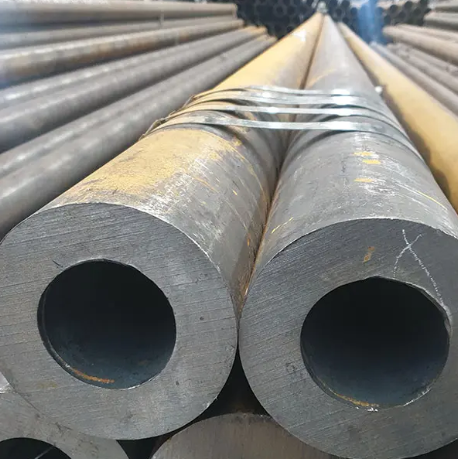
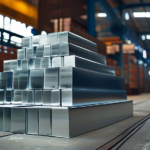
Heavy wall stainless steel tubing, also known as thick wall stainless steel tubing, is characterized by its increased thickness compared to standard tubing. This increased wall thickness is achieved through a specialized manufacturing process that involves advanced rolling and drawing techniques, resulting in a product that is significantly more robust and durable than its thinner counterparts.
One of the primary advantages of heavy wall stainless steel tubing is its exceptional strength and load-bearing capacity. The increased wall thickness allows the tubing to withstand higher pressures, heavier loads, and more severe mechanical stresses without compromising its structural integrity. This makes it an ideal choice for applications in industries such as oil and gas, chemical processing, and heavy equipment manufacturing, where the tubing is subjected to demanding operating conditions.
In addition to its superior strength, heavy wall stainless steel tubing also offers unparalleled resistance to corrosion. Stainless steel, by nature, is highly resistant to corrosion due to its chromium content, which forms a protective oxide layer on the surface. The increased wall thickness of the tubing further enhances this corrosion resistance, ensuring a longer lifespan and reduced maintenance requirements for the overall system.
Another key benefit of heavy wall stainless steel tubing is its exceptional thermal conductivity. This property makes it an ideal choice for heat exchanger applications, where the tubing is used to facilitate the transfer of heat between fluids or gases. The thick wall construction of the tubing ensures efficient heat transfer, while also providing the necessary structural support to withstand the demands of these applications.
In addition to its practical advantages, heavy wall stainless steel tubing also offers a range of design and fabrication possibilities. The tubing can be custom-tailored to meet the specific requirements of each application, with a wide variety of sizes, shapes, and configurations available to suit the needs of various industries.
Overall, heavy wall stainless steel tubing is a versatile and reliable choice for applications that demand exceptional strength, corrosion resistance, and thermal performance. Its durability and long-term reliability make it an essential component in a wide range of industrial and commercial settings, ensuring the safe and efficient operation of critical systems and equipment.
Heavy Wall Stainless Steel Tubing: Engineered for Strength and Durability — This article provides a practical buyer‑focused overview with specifications, selection tips, and on‑site considerations. Explore related topics: blog.
Key Specifications and Standards
- Standards: ASTM / EN / JIS (e.g., ASTM A240/A36, EN 10088/10025, JIS G4304/G3131).
- Surface options: 2B, BA, No.4, HL, mirror; galvanized (electro / hot‑dip).
- Processing: hot‑rolled, cold‑rolled, annealed & pickled, welded or seamless.
- Typical services: slitting, shearing, cut‑to‑length, drilling, beveling, deburring.
- Documentation: MTC, CO, packing list with net/gross weight and heat numbers.
Typical Applications
Construction, machinery, automotive, energy, enclosures and fencing, food equipment (for stainless), and general fabrication. Match grade and finish to corrosion, strength, and appearance requirements.
Selection Guide
- Use certified material with Mill Test Certificate (MTC).
- Confirm standards (ASTM/EN/JIS) and tolerances per drawing.
- Match surface finish to application (2B/BA/No.4/galvanized).
- Specify dimensions and acceptable deviation upfront.
- Plan packaging and corrosion protection for transit.
Processing, Packaging and Logistics
We adopt edge protection, waterproof wrapping, rust‑inhibiting paper, fumigated pallets, and strapping suitable for sea freight. Loading photos and weight lists are provided for each shipment.
FAQs
Q: What lead time can I expect?
A: Typically 7–15 days ex‑works for standard sizes; custom processing may extend the schedule.
Q: Can you provide cut‑to‑size service?
A: Yes. We slit, shear, cut, drill, bevel and deburr to drawing to reduce waste and speed installation.
Q: How do you ensure quality?
A: Incoming inspection, process control, and final inspection with traceable heat numbers; third‑party inspection is available.
Q: Do you support small trial orders?
A: We support pilot quantities with consolidated shipping to control cost.
All values are typical and for guidance only; confirm with the datasheet and purchase order before production.
Related products: view details.
Related products: view details.