


Understanding the Cost Premium for Urgent 7-Day Steel Delivery
Defining Standard vs. Urgent Lead Times in Steel Procurement
In the steel industry, lead times are a critical determinant of both cost and project feasibility. Standard procurement cycles typically span 4 to 12 weeks, influenced by factors such as product type, mill production schedules, raw material availability, and broader market conditions. These timelines allow for optimized manufacturing workflows, bulk transportation planning, and inventory management. In contrast, urgent 7-day delivery represents a radical compression of this process—often requiring mills to halt or resequence existing production runs, prioritize raw material allocation, and activate high-cost logistics channels. This accelerated timeline is not merely a logistical adjustment; it fundamentally alters the operational economics of steel supply. As a result, what constitutes “urgent” in steel procurement—delivery within one business week—commands a significant price premium due to the disruption and resource reallocation it entails.
Key Drivers Behind Expedited Steel Pricing
The cost premium associated with 7-day delivery stems from multiple operational layers that must be reconfigured on short notice. First, production prioritization forces mills to displace standard orders, potentially incurring penalties or goodwill losses with other customers. Second, inventory premiums arise when suppliers either maintain ready-to-ship stock at higher carrying costs or resort to last-minute spot-market purchases at inflated prices. Third, logistics surcharges become unavoidable: instead of cost-efficient ocean freight or consolidated rail shipments, urgent orders often require air freight, dedicated trucking, or expedited rail services—each carrying substantially higher per-ton transport costs. Finally, labor overtime is frequently necessary to meet accelerated processing, cutting, and quality control timelines, often involving weekend shifts or extended hours. Together, these factors create a compounded cost structure that directly inflates the base price per ton of steel.
Quantifying the Price Difference: Real-World Cost Comparisons
Average Markup for 7-Day Delivery Across Steel Grades
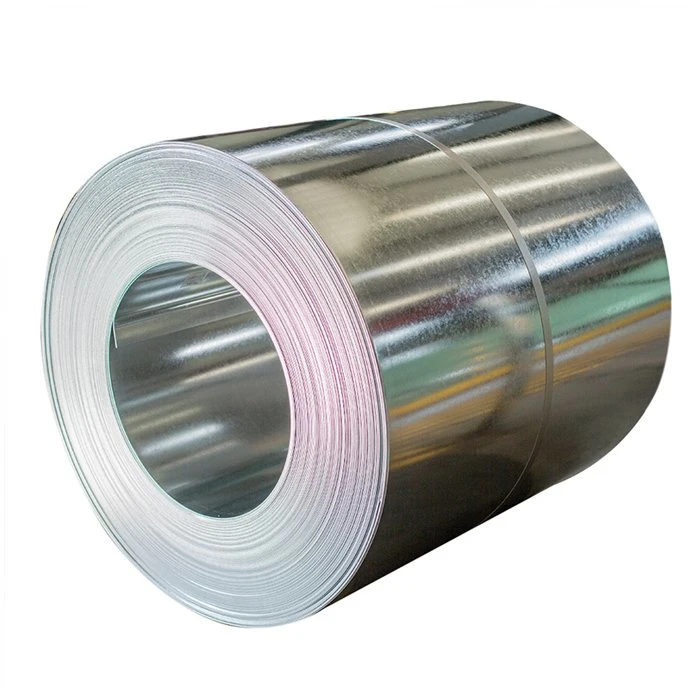
Industry benchmarks from Q2 2024 indicate that urgent 7-day delivery typically adds between 8% and 25% to the base price per ton, with variations depending on product complexity, grade specifications, and regional availability. For instance, hot-rolled coil—a commonly used flat-rolled product—sees urgency markups ranging from $60 to $150 per ton. Structural beams conforming to ASTM A992 standards, often critical in commercial construction, command premiums of $80 to $200 per ton when delivered within seven days. Galvanized sheet, frequently used in roofing and HVAC applications, carries some of the highest urgency fees, with markups between $100 and $250 per ton. These figures are derived from aggregated data across major North American and European distributors and reflect current market dynamics, including raw material volatility and transportation constraints.
Market Conditions That Amplify or Mitigate Urgency Fees
The magnitude of urgency premiums is highly sensitive to macroeconomic and sector-specific conditions. During periods of peak demand—such as post-disaster reconstruction efforts or seasonal construction booms—urgency markups can surge beyond 30% as mills operate at full capacity and logistics networks become congested. Conversely, in oversupplied markets with idle mill capacity, suppliers may reduce urgency fees to as low as 5% to incentivize quick-turn orders and maintain cash flow. Regional disparities also play a significant role: coastal U.S. hubs like Houston, Los Angeles, and New York benefit from robust port infrastructure and dense distributor networks, resulting in lower urgency surcharges compared to inland or remote locations where transportation bottlenecks are more common. Buyers operating in these regions should factor geographic logistics into their total cost assessments.
Strategic Considerations for Buyers Requiring Fast Turnaround
When Paying the Premium Makes Financial Sense
Despite the steep added cost, opting for 7-day delivery can be a sound financial decision under specific circumstances. The key lies in conducting a rigorous cost-benefit analysis that weighs the urgency premium against potential downstream risks. For example, if project delays trigger liquidated damages exceeding $200 per ton—common in large-scale infrastructure or commercial developments—the urgency markup becomes a cost-avoidance measure rather than an expense. Similarly, manufacturers operating on just-in-time (JIT) production schedules cannot afford buffer inventory; a one-week delay in steel arrival could halt assembly lines, resulting in lost revenue far greater than the delivery surcharge. Additionally, projects tied to regulatory deadlines—such as federally funded infrastructure grants with strict completion windows—may justify urgent procurement to ensure compliance and funding retention. In these cases, the premium is not merely acceptable but strategically necessary.
Alternatives to Full Urgency: Hybrid Procurement Strategies
Forward-thinking procurement teams often avoid full-price urgency by adopting hybrid strategies that balance speed and cost. One effective approach is partial expediting, where only mission-critical components—such as primary structural frames or load-bearing elements—are ordered with 7-day delivery, while non-urgent items follow standard lead times. Another tactic involves establishing pre-positioned inventory partnerships, wherein suppliers maintain consignment stock of high-turnover grades at or near the buyer’s facility, reducing both lead time and urgency fees. Additionally, spot-market hedging allows buyers to lock in base steel prices during periods of low demand, then pay only the logistics premium when speed is required. These blended models reduce reliance on full urgency markups while preserving schedule integrity and minimizing total project risk.
Negotiating Urgent Delivery Terms: Best Practices for Procurement Teams
Leveraging Volume and Relationship Capital
Procurement teams with consistent order volumes and long-standing supplier relationships hold significant leverage in negotiating reduced urgency fees. Suppliers value predictable revenue streams and are often willing to absorb部分 expediting costs—sometimes offering discounts of 30–50% below spot-market rates—to retain strategic accounts. Documented purchase history, multi-year contracts, and demonstrated payment reliability strengthen a buyer’s bargaining position. For example, a construction firm with a five-year track record of quarterly beam orders may secure a fixed urgency surcharge clause, shielding it from market volatility. Building these relationships requires proactive communication, transparency, and mutual investment in supply chain resilience.
Transparent Communication of Constraints
Clearly articulating the operational necessity of 7-day delivery can unlock creative, cost-effective solutions from suppliers. Instead of simply requesting “fast delivery,” procurement teams should specify constraints such as crane rental windows, subcontractor mobilization schedules, or weather-dependent installation phases. This level of detail enables suppliers to propose alternatives—such as split shipments from multiple mills, use of alternative but equivalent grades, or staggered delivery schedules—that meet timing requirements without incurring maximum urgency fees. Suppliers are more likely to collaborate when they understand the broader project context and perceive the buyer as a partner rather than a transactional customer.
Contractual Safeguards Against Hidden Fees
To prevent post-order cost escalations, all urgent delivery terms must be explicitly defined in writing. Contracts should specify the exact delivery window (e.g., “by 5 PM EST on Day 7”), include penalties for late delivery, and provide a detailed breakdown of the urgency surcharge—separating production, logistics, and inventory components. This transparency ensures accountability and prevents suppliers from applying blanket markups or retroactively adding fees. Additionally, clauses should address force majeure events and define acceptable alternatives if the primary mill cannot meet the deadline. Well-drafted contracts not only protect the buyer’s financial interests but also foster trust and long-term collaboration.
Future Outlook: Will Urgent Steel Delivery Become More Affordable?
Impact of Digitalization and Predictive Analytics
Advancements in digitalization are beginning to reshape the economics of urgent steel delivery. Modern ERP systems, integrated with AI-driven demand forecasting, enable mills to maintain lean “fast-track” inventory buffers for high-priority customers without overstocking. As these technologies mature, baseline urgency premiums may stabilize or even decline slightly—though they will remain vulnerable to supply shocks such as raw material shortages or geopolitical disruptions. Real-time data sharing between buyers and suppliers also enhances coordination, reducing the need for last-minute expediting and allowing for more predictable scheduling.
Sustainability Pressures and Their Cost Implications
The global push toward green steel—produced using hydrogen-based reduction or electric arc furnaces powered by renewable energy—introduces a new layer of cost complexity. These sustainable production methods currently carry higher operational expenses, and when combined with urgent delivery requirements, buyers may face dual premiums: one for speed and another for low-carbon certification. As environmental regulations tighten and ESG reporting becomes mandatory, procurement teams must factor sustainability costs into their urgency calculations, potentially reshaping long-term sourcing strategies.
The Role of Nearshoring and Regional Hubs
Investment in regional mini-mills and distributed manufacturing hubs—such as Nucor’s expanding micro-mill network—is shortening physical supply chains and reducing dependency on distant producers. Over the next 3–5 years, this trend could lower average urgency markups by 3–7 percentage points in key U.S. and European markets. Proximity to end-users reduces transportation time and cost, enabling faster turnaround without full-scale expediting. However, global trade dynamics, including tariffs and raw material flows, will continue to influence pricing, ensuring that urgency premiums remain a variable—but manageable—component of steel procurement.