
Understanding Your Rights When a Steel Shipment Is Incorrect or Damaged
Legal and Contractual Protections for Buyers
When you purchase steel products—whether structural beams, rebar, or specialty alloys—you enter into a legally binding agreement that includes implied warranties of merchantability and fitness for purpose. Under the Uniform Commercial Code (UCC), which governs most commercial transactions in the United States, suppliers are obligated to deliver goods that conform to the contract specifications. If your shipment arrives with incorrect dimensions, wrong grades, or visible damage, you have the right to reject non-conforming goods, demand replacement, or seek compensation. These protections are further reinforced by your purchase order terms, which should explicitly outline delivery expectations, inspection rights, and remedies for non-compliance.
Common Causes of Shipping Errors and Damage in Steel Deliveries
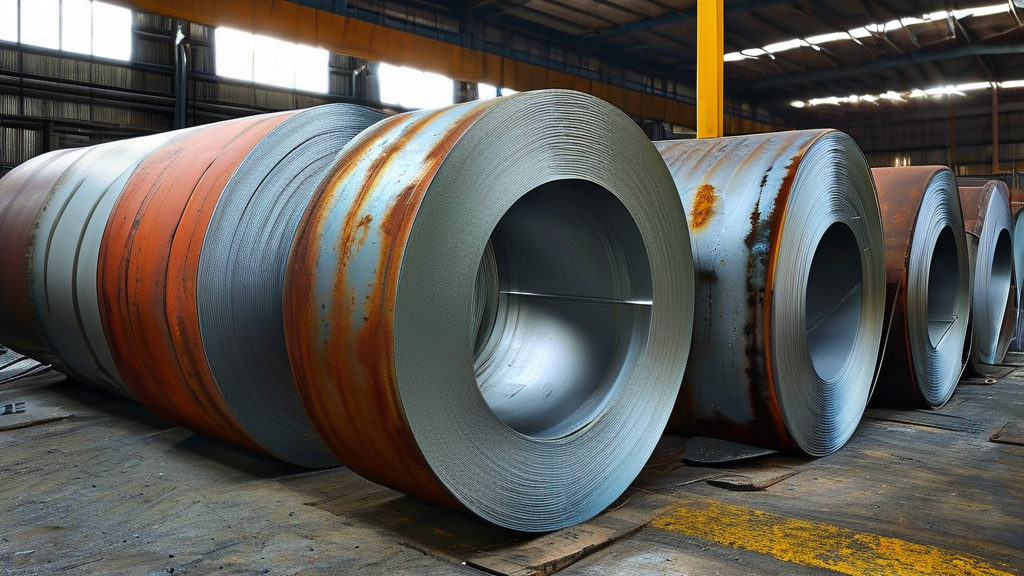
Steel shipments are vulnerable to a range of issues during transit. Improper loading or securing can lead to shifting loads, resulting in dents, bends, or surface abrasions. Exposure to moisture—especially during long-haul trucking or ocean freight—can cause rust or compromise protective coatings. Documentation errors, such as mislabeled coils or mixed batches, may result in receiving the wrong grade or alloy. Additionally, rough handling at transfer points or inadequate packaging increases the risk of structural compromise. Understanding these common failure points helps buyers anticipate risks and implement preventive controls.
Why Prompt Action Is Critical to Preserve Your Claim
Time is of the essence when disputing a steel shipment. Most freight carriers impose strict notification windows—often as short as 24 to 48 hours—for reporting visible damage. Failure to notify within this period can result in claim denial, regardless of the validity of your grievance. Similarly, contractual agreements frequently include clauses requiring buyers to inspect and report discrepancies “promptly” or “without undue delay.” Delaying action not only weakens your legal standing but may also allow deterioration of evidence, such as fading scuff marks or lost packaging tags.
Immediate Steps to Take Upon Receiving a Problematic Steel Shipment
Document Everything: Photos, Videos, and Detailed Notes
Before moving, unloading, or altering the condition of the shipment, begin comprehensive documentation. Capture high-resolution photos and videos from multiple angles, focusing on damaged areas, incorrect markings, and any discrepancies in quantity or labeling. Include timestamps and geotags where possible. Supplement visual evidence with written notes detailing the date, time, weather conditions, personnel present, and observed issues. This contemporaneous record serves as irrefutable proof should disputes escalate.
Preserve the Original Packaging and Labeling
Do not discard pallets, strapping, crating materials, or shipping labels. These elements often contain critical information about the carrier, origin point, handling instructions, and batch numbers. In cases of concealed damage (damage not apparent upon initial delivery), the original packaging may be required to prove that the carrier’s negligence occurred during transit rather than at the point of manufacture or loading.
Notify the Carrier and Supplier in Writing Within 24–48 Hours
Send formal written notifications—via email with read receipts or certified mail—to both the supplier and the freight carrier. Clearly state the nature of the discrepancy or damage, reference your purchase order and bill of lading (BOL) numbers, and attach your preliminary documentation. This step initiates the official claim process and demonstrates due diligence. Avoid verbal communications alone; written records are essential for audit trails and potential litigation.
Conducting a Thorough Inspection and Damage Assessment
Verifying Quantity, Grade, and Specifications Against the Purchase Order
Cross-check every item against your purchase order, mill certificates, and material test reports (MTRs). Confirm that steel grades (e.g., ASTM A36 vs. A572), dimensions, heat numbers, and surface finishes match exactly. Even minor deviations—such as a different yield strength or coating thickness—can render materials unusable in structural applications and constitute a breach of contract.
Identifying Types of Damage: Surface, Structural, and Coating Defects
Damage in steel shipments falls into three primary categories: surface defects (scratches, rust spots, paint chipping), structural defects (bends, cracks, warping), and coating failures (peeling galvanization, compromised epoxy layers). Each type carries different implications for usability and repairability. Surface blemishes may be cosmetic and acceptable depending on application, while structural flaws often require rejection outright. Accurate classification strengthens your claim by demonstrating technical understanding and appropriate severity assessment.
Engaging Third-Party Inspectors for Objective Evaluation (When Necessary)
For high-value or mission-critical shipments, consider hiring an independent inspection agency accredited by organizations like ASTM or ISO. Third-party evaluators provide unbiased reports that carry significant weight in negotiations or arbitration. Their findings can validate your claims, quantify losses, and even identify root causes—such as improper heat treatment or manufacturing defects—that shift liability away from the carrier and back to the supplier.
Preparing Your Formal Claim Documentation
Essential Components of a Strong Steel Shipment Claim
A compelling claim package includes: a detailed incident report, purchase order and invoice copies, bill of lading, photos/videos, inspection reports, correspondence logs, and any relevant mill certificates. Organize documents chronologically and label them clearly. Missing or disorganized evidence delays resolution and reduces credibility.
How to Write a Clear, Concise Incident Report
Your incident report should follow a structured format: date and time of delivery, description of the issue, impact on operations (e.g., project delays, safety concerns), and requested remedy (replacement, refund, repair). Use factual, neutral language—avoid emotional phrasing or accusations. Clarity and professionalism increase the likelihood of a favorable response.
Including Supporting Evidence: Invoices, BOLs, Inspection Reports, and Correspondence
Attach all relevant paperwork in digital PDF format, ensuring legibility and completeness. Highlight key sections—such as delivery terms on the BOL or specification clauses in the purchase order—to draw attention to contractual obligations. Maintain a master file with version control to avoid confusion during follow-ups.
Navigating the Claim Submission Process
Submitting Your Claim to the Supplier vs. the Freight Carrier
Liability depends on the nature of the issue. If the steel was manufactured incorrectly or shipped with wrong specs, file against the supplier. If damage occurred during transit due to mishandling, submit to the carrier. In some cases, both parties may share responsibility—coordinate submissions carefully to avoid conflicting narratives.
Understanding Deadlines: Statute of Limitations and Carrier-Specific Windows
Freight carriers typically require claims within 3–15 days for visible damage and up to 9 months for concealed damage. The UCC generally allows four years to file a breach of contract claim, but shorter contractual limitations may apply. Always verify deadlines in your shipping contract and act accordingly.
Best Practices for Electronic vs. Paper-Based Submissions
Electronic submissions via carrier portals or supplier portals are faster and trackable. However, retain printed copies and confirmation receipts. For high-stakes claims, consider sending both digital and physical copies to ensure receipt and create redundancy.
Managing Communication and Negotiation with Stakeholders
Professional Etiquette When Dealing with Suppliers and Carriers
Maintain a collaborative tone. Acknowledge that errors happen and express willingness to resolve the matter efficiently. Avoid ultimatums unless absolutely necessary. Professionalism fosters cooperation and preserves long-term business relationships.
Responding to Denials or Partial Acceptances of Your Claim
If your claim is denied or only partially accepted, request a detailed explanation in writing. Review their reasoning against your contract and evidence. If discrepancies persist, provide rebuttals with additional documentation. Escalate internally within the supplier or carrier organization if frontline representatives are unresponsive.
When to Escalate: Involving Legal Counsel or Mediation Services
If negotiations stall or significant financial loss is at stake, consult an attorney specializing in commercial law or logistics. Alternative dispute resolution (ADR) methods like mediation can resolve conflicts faster and more cost-effectively than litigation. Preserve all communication records for potential legal proceedings.
Preventing Future Shipping Issues with Proactive Measures
Strengthening Purchase Agreements with Clear Delivery Clauses
Specify exact requirements: acceptable damage thresholds, required certifications, inspection rights, and notification timelines. Include penalty clauses for late or non-conforming deliveries. Well-drafted contracts reduce ambiguity and empower buyers during disputes.
Implementing Pre-Shipment Inspections and Quality Control Checks
Require suppliers to conduct pre-shipment inspections and share reports before dispatch. For critical orders, send your own QC team or hire a third party to verify compliance at the mill or warehouse. This reduces the likelihood of receiving defective or incorrect materials.
Choosing Reliable Carriers and Insuring High-Value Steel Shipments
Partner with carriers experienced in handling heavy, high-value steel products. Verify their insurance coverage and claims history. Purchase supplemental cargo insurance for shipments exceeding standard carrier liability limits—which are often far below actual material value.
Conclusion: Protecting Your Investment Through Diligence and Documentation
Receiving a wrong or damaged steel shipment can disrupt operations, inflate costs, and jeopardize project timelines. However, a structured, proactive approach to claims management significantly mitigates these risks. By understanding your rights, acting swiftly, documenting thoroughly, and communicating professionally, you position yourself to recover losses efficiently and maintain supply chain integrity. At Baoli Iron & Steel, we emphasize that prevention and preparedness are just as vital as resolution—because in the world of industrial materials, every detail counts.