
When it comes to construction, manufacturing, or any project that requires structural strength, steel plates are indispensable. But with numerous steel plate suppliers in the market, choosing the right one can be a daunting task. Here are some key factors to consider when selecting a steel plate supplier to ensure you get the best value for your investment.


1. Quality of Products
The first and foremost criterion is the quality of the steel plates. A reliable supplier should offer products that meet international quality standards such as ASTM, ISO, or equivalent. Request for certifications and test reports to verify the quality of their steel plates.
2. Variety of Products
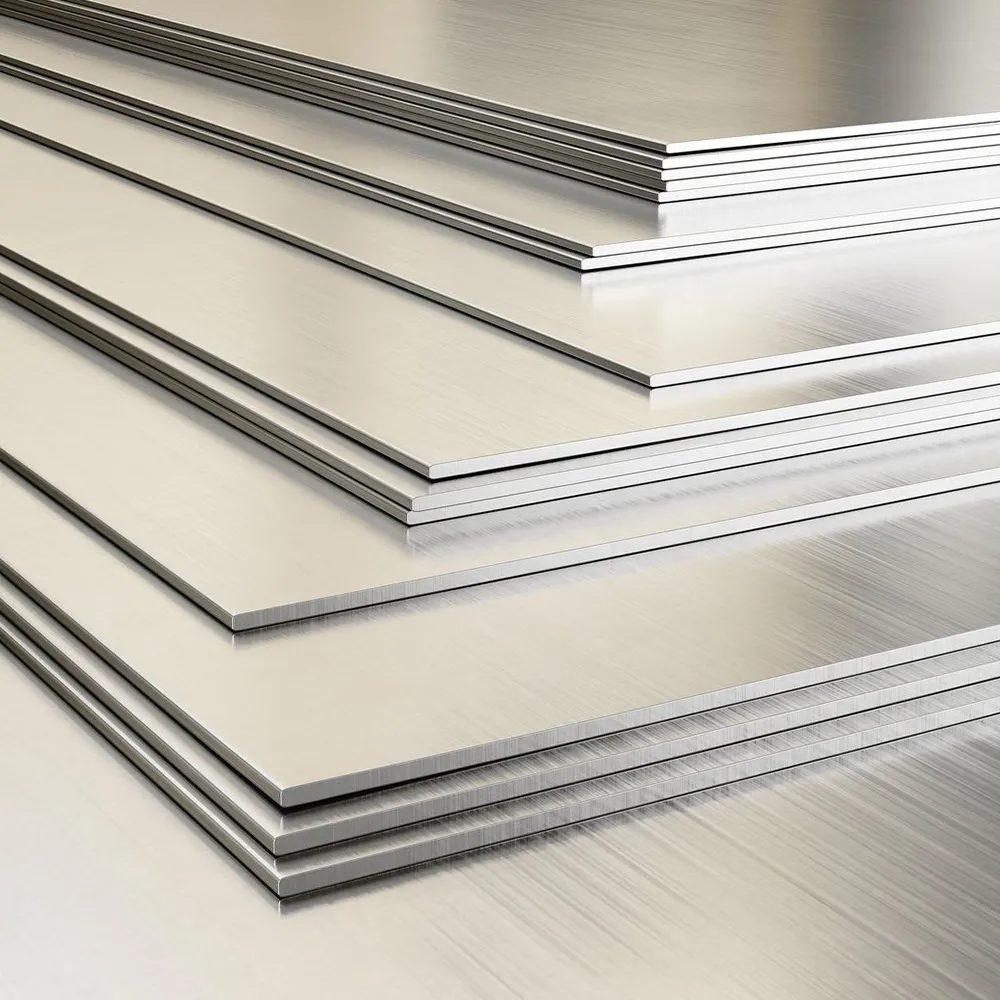
A good steel plate supplier should offer a wide range of products to cater to different project requirements. This includes various thicknesses, grades, and types of steel plates such as carbon steel, stainless steel, or alloy steel plates.
3. Customization Capabilities
Not all projects have standard requirements. A supplier that can customize steel plates according to specific dimensions, shapes, and surface finishes is a valuable asset. This flexibility can save time and reduce material waste.
4. Competitive Pricing
While price should not be the only deciding factor, it is essential to get a fair deal. Request quotes from multiple suppliers and compare them. Keep in mind that the cheapest option may not always be the best in terms of quality and service.
5. On-time Delivery
Timely delivery is crucial, especially for projects with tight schedules. Choose a supplier with a reputation for punctuality and a track record of meeting deadlines.
6. Customer Service
Excellent customer service is a must. The supplier should be responsive, attentive to your needs, and provide prompt solutions to any issues that may arise.
7. Reputation and Experience
A supplier’s reputation in the industry speaks volumes about their reliability and professionalism. Look for customer reviews, case studies, and years of experience in the business.
8. After-sales Support
Post-purchase support is equally important. Ensure the supplier offers after-sales services such as technical support, maintenance advice, and warranty on their products.
9. Sustainability Practices
In today’s environmentally conscious world, a supplier’s commitment to sustainability can be a deciding factor. Choose a supplier that adheres to eco-friendly practices and contributes to a greener environment.
10. Local vs. International
Consider whether you need a local or international supplier. Local suppliers may offer more personalized service and faster delivery, while international suppliers might provide a wider range of products or competitive pricing.
Selecting the Right Steel Plate Supplier: A Comprehensive Guide — This article provides a practical buyer‑focused overview with specifications, selection tips, and on‑site considerations. Explore related topics: blog.
Key Specifications and Standards
- Standards: ASTM / EN / JIS (e.g., ASTM A240/A36, EN 10088/10025, JIS G4304/G3131).
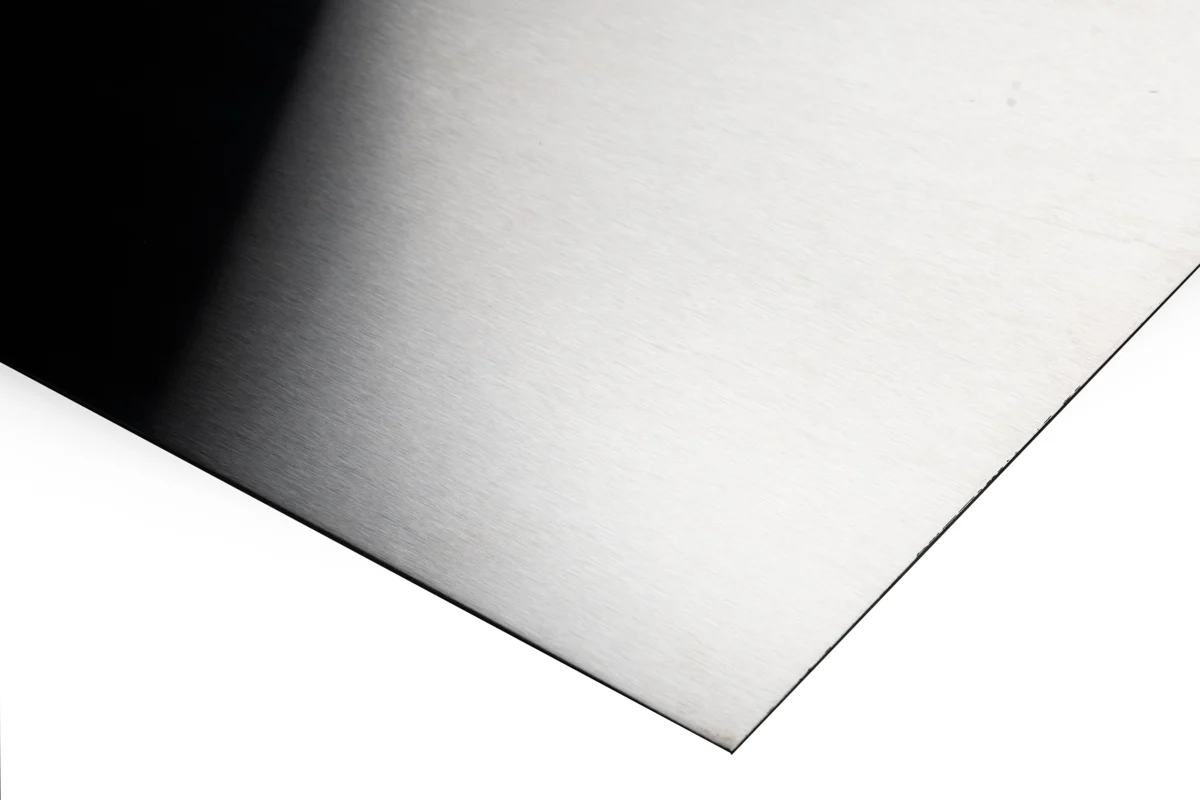
- Surface options: 2B, BA, No.4, HL, mirror; galvanized (electro / hot‑dip).
- Processing: hot‑rolled, cold‑rolled, annealed & pickled, welded or seamless.
- Typical services: slitting, shearing, cut‑to‑length, drilling, beveling, deburring.
- Documentation: MTC, CO, packing list with net/gross weight and heat numbers.
Typical Applications
Construction, machinery, automotive, energy, enclosures and fencing, food equipment (for stainless), and general fabrication. Match grade and finish to corrosion, strength, and appearance requirements.
Selection Guide
- Use certified material with Mill Test Certificate (MTC).
- Confirm standards (ASTM/EN/JIS) and tolerances per drawing.
- Match surface finish to application (2B/BA/No.4/galvanized).
- Specify dimensions and acceptable deviation upfront.
- Plan packaging and corrosion protection for transit.
Processing, Packaging and Logistics
We adopt edge protection, waterproof wrapping, rust‑inhibiting paper, fumigated pallets, and strapping suitable for sea freight. Loading photos and weight lists are provided for each shipment.
FAQs
Q: What lead time can I expect?
A: Typically 7–15 days ex‑works for standard sizes; custom processing may extend the schedule.
Q: Can you provide cut‑to‑size service?
A: Yes. We slit, shear, cut, drill, bevel and deburr to drawing to reduce waste and speed installation.
Q: How do you ensure quality?
A: Incoming inspection, process control, and final inspection with traceable heat numbers; third‑party inspection is available.
Q: Do you support small trial orders?
A: We support pilot quantities with consolidated shipping to control cost.
All values are typical and for guidance only; confirm with the datasheet and purchase order before production.
Related products: view details.
Related products: view details.