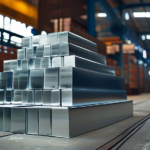
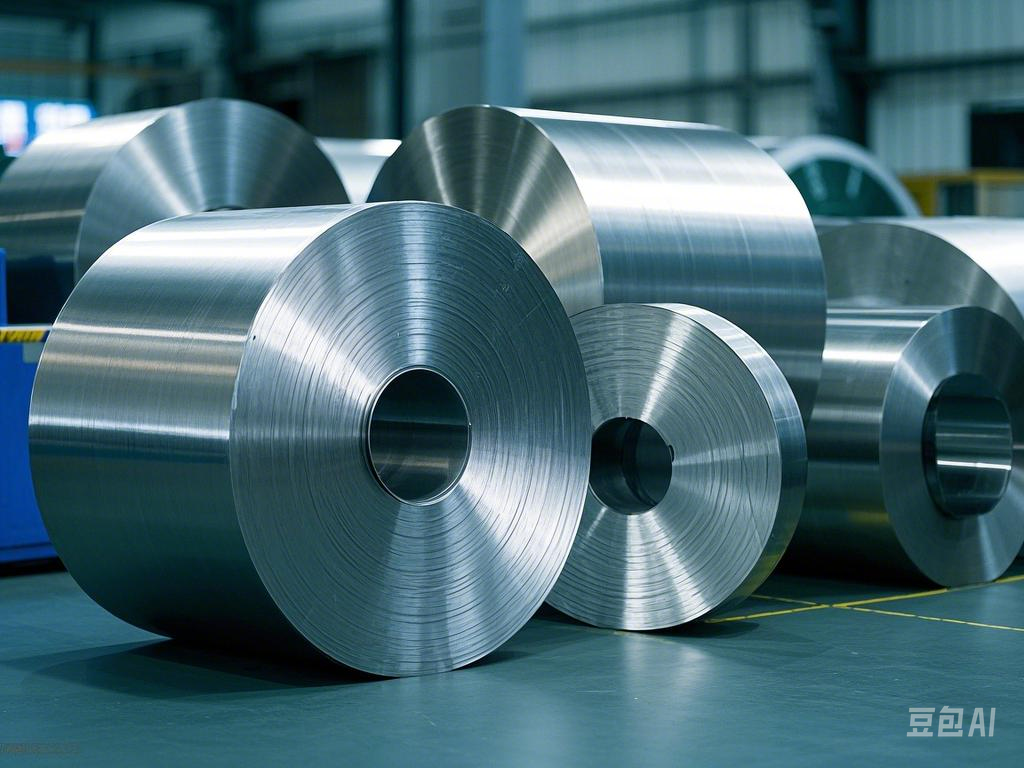
Stainless steel coils are an essential component in various industries, including automotive, construction, and food processing. With their corrosion resistance, durability, and aesthetic appeal, stainless steel coils are increasingly in demand globally. This article explores the current trends and insights related to the export of stainless steel coils.


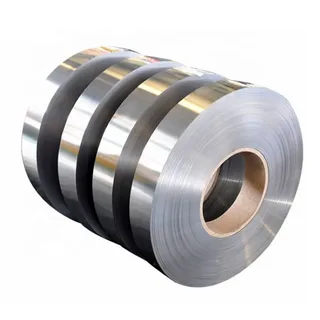
Market Overview
The global market for stainless steel coils has witnessed significant growth over the past decade. Factors driving this growth include:
- Industrial Demand: The rise of manufacturing sectors, particularly in developing countries, has led to increased demand for stainless steel products.
- Technological Advancements: Innovations in production processes have improved the quality and efficiency of stainless steel coil manufacturing.
- Sustainability: Stainless steel is recyclable, making it an environmentally friendly choice, which is increasingly important for consumers and industries alike.
Key Export Markets
- Asia-Pacific: Countries like China, Japan, and India are major producers and consumers of stainless steel coils. China’s dominance in stainless steel production significantly influences global pricing and availability.
- North America: The United States is a significant market for stainless steel coils, especially in the automotive and aerospace industries. Trade agreements and tariffs can impact export dynamics in this region.
- Europe: European countries maintain strict quality standards for stainless steel products, creating opportunities for high-quality exporters.
Challenges in Exporting Stainless Steel Coils
While the market is growing, exporters face several challenges:
- Regulatory Compliance: Different countries have varying regulations regarding quality and safety standards, which can complicate the export process.
- Trade Barriers: Tariffs and trade restrictions can hinder market access and affect competitiveness.
- Logistical Issues: Transportation costs and delays can impact the timely delivery of products, affecting customer satisfaction.
Future Trends
- Increased Use of Advanced Alloys: There is a growing trend towards the development and use of advanced stainless steel alloys, which offer enhanced properties for specific applications.
- Digital Transformation: The adoption of digital technologies in manufacturing and supply chain management is expected to streamline operations and reduce costs for exporters.
- Sustainability Initiatives: As industries focus on reducing their carbon footprint, the demand for sustainable products, including eco-friendly stainless steel coils, will likely increase.
Conclusion
The export of stainless steel coils presents both opportunities and challenges. As global demand continues to rise, exporters must adapt to market trends, regulatory changes, and technological advancements. By leveraging these insights, businesses can position themselves strategically in the competitive global market for stainless steel coils.
The Export of Stainless Steel Coils: Trends and Insights — This article provides a practical buyer‑focused overview with specifications, selection tips, and on‑site considerations. Explore related topics: blog.
Key Specifications and Standards
- Standards: ASTM / EN / JIS (e.g., ASTM A240/A36, EN 10088/10025, JIS G4304/G3131).
- Surface options: 2B, BA, No.4, HL, mirror; galvanized (electro / hot‑dip).
- Processing: hot‑rolled, cold‑rolled, annealed & pickled, welded or seamless.
- Typical services: slitting, shearing, cut‑to‑length, drilling, beveling, deburring.
- Documentation: MTC, CO, packing list with net/gross weight and heat numbers.
Typical Applications
Construction, machinery, automotive, energy, enclosures and fencing, food equipment (for stainless), and general fabrication. Match grade and finish to corrosion, strength, and appearance requirements.
Selection Guide
- Use certified material with Mill Test Certificate (MTC).
- Confirm standards (ASTM/EN/JIS) and tolerances per drawing.
- Match surface finish to application (2B/BA/No.4/galvanized).
- Specify dimensions and acceptable deviation upfront.
- Plan packaging and corrosion protection for transit.
Processing, Packaging and Logistics
We adopt edge protection, waterproof wrapping, rust‑inhibiting paper, fumigated pallets, and strapping suitable for sea freight. Loading photos and weight lists are provided for each shipment.
FAQs
Q: What lead time can I expect?
A: Typically 7–15 days ex‑works for standard sizes; custom processing may extend the schedule.
Q: Can you provide cut‑to‑size service?
A: Yes. We slit, shear, cut, drill, bevel and deburr to drawing to reduce waste and speed installation.
Q: How do you ensure quality?
A: Incoming inspection, process control, and final inspection with traceable heat numbers; third‑party inspection is available.
Q: Do you support small trial orders?
A: We support pilot quantities with consolidated shipping to control cost.
All values are typical and for guidance only; confirm with the datasheet and purchase order before production.
Related products: view details.
Related products: view details.