
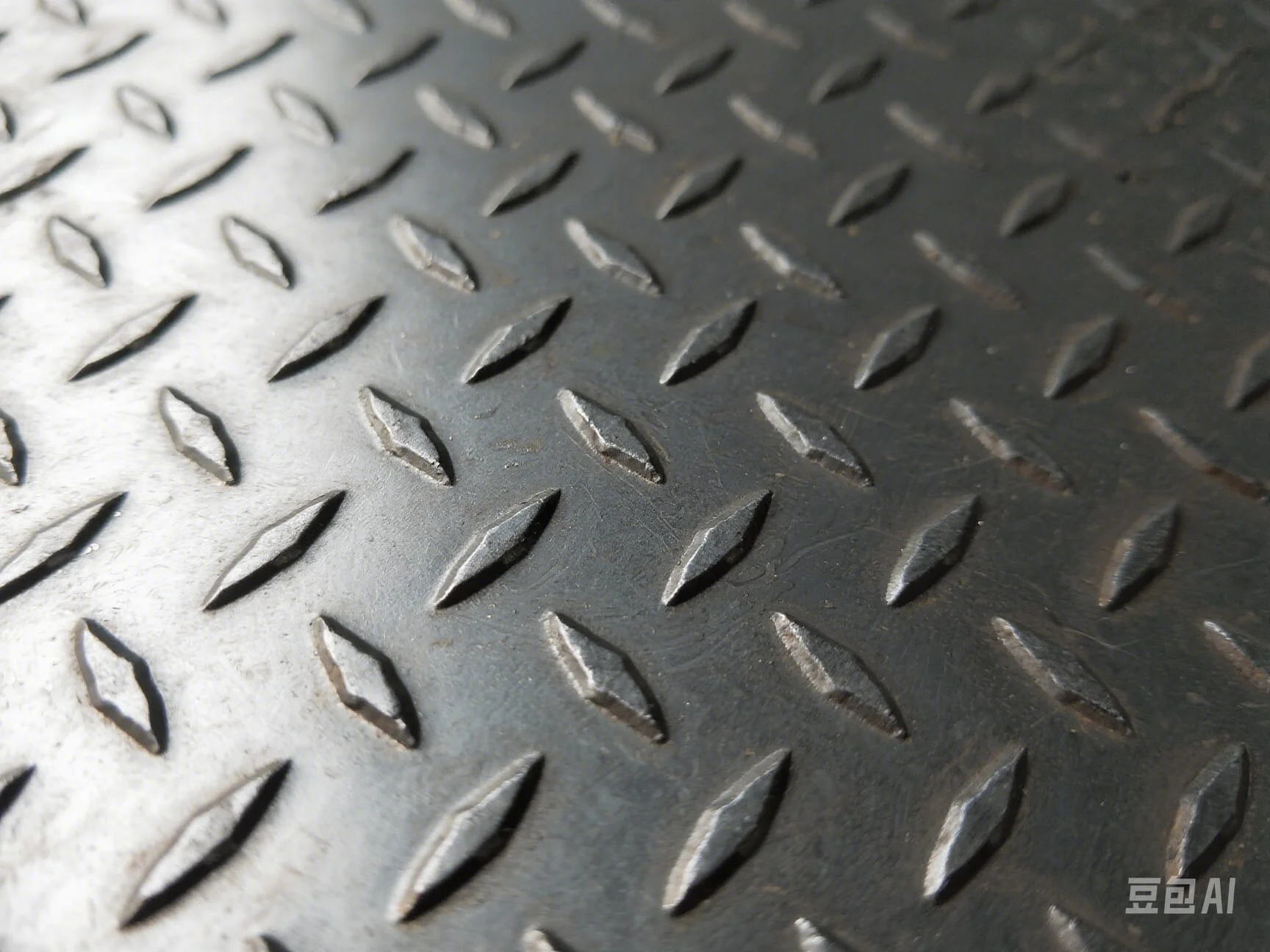
A checkered steel plate, often called tread plate, floor plate, or diamond plate, is a type of metal sheet characterized by a regular pattern of raised lugs or lines on one side, with the reverse side being featureless (flat).


Essentially, it is a standard steel plate (typically made from low-carbon or mild steel like ASTM A36, S235JR, or SS400) that has undergone a manufacturing process to create this textured surface.
Here’s a breakdown of its key characteristics:
- Material: While often made from carbon steel (specifically mild steel), checkered plates can also be manufactured from stainless steel or aluminum, depending on the required properties like corrosion resistance or weight.
- Pattern: The raised pattern is the defining feature. Common patterns include diamond (the most frequent), teardrop (or propeller), and lentil. The pattern’s primary purpose is to increase friction and provide slip resistance.
- Manufacturing: Checkered patterns are typically formed during the hot rolling process. The steel slab passes through rollers, one of which is engraved with the negative of the desired pattern, impressing it onto the hot metal surface.
- Functionality: Its main use is in applications where safety (slip resistance) and durability are important. This includes industrial flooring, stairs, walkways, ramps, truck beds, toolboxes, loading docks, and protective wall coverings.
- Appearance: It has a distinct industrial look, which is sometimes utilized for aesthetic purposes in architectural design or vehicle customization.
In essence, a checkered steel plate is a functional variation of a standard flat steel plate, engineered with a textured surface to enhance grip and durability in various practical applications. It combines the strength and structural properties of steel with improved surface characteristics for safety and wear resistance.
What is a checkered steel plate? — This article provides a practical buyer‑focused overview with specifications, selection tips, and on‑site considerations. Explore related topics: blog.
Key Specifications and Standards
- Standards: ASTM / EN / JIS (e.g., ASTM A240/A36, EN 10088/10025, JIS G4304/G3131).
- Surface options: 2B, BA, No.4, HL, mirror; galvanized (electro / hot‑dip).
- Processing: hot‑rolled, cold‑rolled, annealed & pickled, welded or seamless.
- Typical services: slitting, shearing, cut‑to‑length, drilling, beveling, deburring.
- Documentation: MTC, CO, packing list with net/gross weight and heat numbers.
Typical Applications
Construction, machinery, automotive, energy, enclosures and fencing, food equipment (for stainless), and general fabrication. Match grade and finish to corrosion, strength, and appearance requirements.
Selection Guide
- Use certified material with Mill Test Certificate (MTC).
- Confirm standards (ASTM/EN/JIS) and tolerances per drawing.
- Match surface finish to application (2B/BA/No.4/galvanized).
- Specify dimensions and acceptable deviation upfront.
- Plan packaging and corrosion protection for transit.
Processing, Packaging and Logistics
We adopt edge protection, waterproof wrapping, rust‑inhibiting paper, fumigated pallets, and strapping suitable for sea freight. Loading photos and weight lists are provided for each shipment.
FAQs
Q: What lead time can I expect?
A: Typically 7–15 days ex‑works for standard sizes; custom processing may extend the schedule.
Q: Can you provide cut‑to‑size service?
A: Yes. We slit, shear, cut, drill, bevel and deburr to drawing to reduce waste and speed installation.
Q: How do you ensure quality?
A: Incoming inspection, process control, and final inspection with traceable heat numbers; third‑party inspection is available.
Q: Do you support small trial orders?
A: We support pilot quantities with consolidated shipping to control cost.
All values are typical and for guidance only; confirm with the datasheet and purchase order before production.
Related products: view details.
Related products: view details.