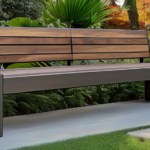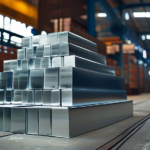

What Type of Steel for Outdoor Furniture That Lasts 10 Years Without Rust?
Understanding the Challenge: Why Steel Rusts Outdoors
Outdoor steel furniture faces relentless environmental stressors that accelerate corrosion. Constant exposure to moisture from rain, dew, or humidity initiates electrochemical reactions that break down unprotected iron. Ultraviolet (UV) radiation degrades surface finishes, while temperature fluctuations cause expansion and contraction, leading to micro-cracks in protective layers. In urban or industrial areas, airborne pollutants like sulfur dioxide further accelerate oxidation. Coastal environments present an especially aggressive challenge due to salt-laden air, which dramatically increases conductivity and corrosion rates.
Traditional carbon steel—the most common structural steel—contains high levels of iron, making it inherently vulnerable to rust when exposed to oxygen and water. Even brief contact with moisture can initiate the oxidation process, especially if protective coatings are compromised. Claims of “rust-free” performance often overlook the critical interplay between material composition and surface protection. True decade-long durability requires both a corrosion-resistant base metal and a robust, well-maintained finish.
Stainless Steel: The Gold Standard for Rust Resistance
Stainless steel earns its reputation as the premier choice for long-lasting outdoor furniture due to its alloy composition, particularly the presence of chromium. When chromium content reaches at least 10.5%, it reacts with oxygen to form a passive chromium oxide layer on the surface. This invisible film is self-healing—if scratched, it reforms instantly in the presence of oxygen, preventing further corrosion.
Among stainless steel grades, two dominate outdoor applications:
- 304 (Austenitic): Contains 18% chromium and 8% nickel. It offers excellent corrosion resistance in most temperate and dry climates and represents a cost-effective solution for residential use.
- 316 (Marine Grade): Adds 2–3% molybdenum to the 304 formula, significantly enhancing resistance to chlorides and salt spray. This makes it ideal for coastal properties, poolside settings, or regions with high humidity.
Despite its strengths, stainless steel is not invincible. In extreme environments with constant saltwater immersion or high chloride concentrations, pitting corrosion or stress corrosion cracking can occur. To maintain performance, clean furniture regularly with mild soap and water, and avoid abrasive scouring pads or chlorine-based cleaners that can damage the passive layer.
Galvanized Steel: Affordable Protection with Caveats
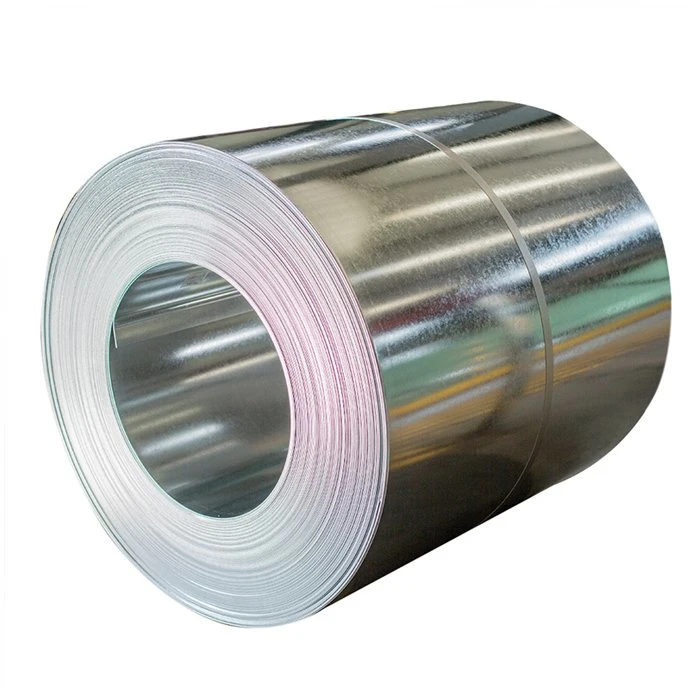
Galvanized steel undergoes hot-dip galvanization, where the base steel is submerged in molten zinc. This creates a metallurgically bonded zinc-iron alloy layer that sacrificially corrodes before the underlying steel, offering robust cathodic protection. The thickness of this coating is measured in standards such as G60 (0.60 oz/ft²) and G90 (0.90 oz/ft²), with G90 providing significantly longer service life.
In moderate climates, properly galvanized steel can last 10–15 years. However, performance declines sharply in acidic environments (such as areas with acid rain), high-salinity zones, or where the coating is frequently scratched—common with moving parts or heavy use. To maximize longevity, pair galvanized steel with a high-quality powder coating. This dual-layer system combines the electrochemical protection of zinc with the physical barrier of polymer, drastically reducing moisture penetration.
Annual inspections are essential: look for white rust (zinc oxide), flaking, or exposed steel. Immediate touch-up of damaged areas prevents localized corrosion from spreading. For budget-conscious buyers in non-coastal regions, G90 galvanized steel with powder coating offers exceptional value without sacrificing decade-long durability.
Weathering Steel (Corten): Aesthetic Appeal vs. Practical Durability
Weathering steel, commonly known by the trademark Corten, develops a stable, rust-like appearance over time. Unlike conventional rust, this patina forms a dense, adherent layer that slows further corrosion—but only under specific conditions: regular wetting followed by drying cycles. In consistently wet or humid environments, the patina fails to stabilize, leading to ongoing corrosion and material loss.
A critical drawback for furniture applications is surface runoff. The reddish-brown rust continually leaches onto adjacent surfaces, staining concrete, decking, or patio tiles. More importantly, weathering steel is not suitable for items that come into direct contact with skin or food. Flaking rust particles pose hygiene risks and can compromise structural integrity over time.
Due to these limitations, weathering steel is best reserved for architectural features like screens, planters, or structural supports—not functional seating, tabletops, or armrests. Its aesthetic may appeal to modern designers, but practical durability for everyday outdoor furniture falls short of the 10-year benchmark.
Powder-Coated Steel: Enhancing Longevity Through Finishing
Powder coating is not a standalone solution—it must be applied over a corrosion-resistant substrate. Even the highest-quality coating will fail prematurely if the underlying steel begins to rust beneath it. That said, when properly applied to stainless or galvanized steel, powder coating adds a durable, UV-stable, and aesthetically versatile barrier.
The process involves electrostatically applying dry polymer powder to the metal surface, then curing it in an oven to form a seamless, impact-resistant finish. Look for products rated under AAMA standards: AAMA 2603 (good), AAMA 2604 (better), and AAMA 2605 (best), with the latter offering superior resistance to chalking, fading, and corrosion in harsh environments.
Maintenance is straightforward but critical. Clean biannually with mild detergent to prevent dirt and moisture buildup. Any chips or scratches must be touched up immediately to avoid exposing the base metal. When combined with marine-grade stainless or thick galvanized steel, powder coating creates a synergistic defense system capable of exceeding 10 years of outdoor service.
Key Selection Criteria for 10+ Year Outdoor Performance
Choosing the right steel begins with understanding your local climate:
- Coastal or high-humidity areas: Prioritize 316 stainless steel or G90 galvanized steel with AAMA 2605 powder coating.
- Dry or arid regions: 304 stainless or quality galvanized steel suffices, as UV and heat are the primary concerns.
- Freeze-thaw zones: Ensure designs include drainage holes and avoid porous finishes; trapped water expands when frozen, cracking coatings and warping frames.
Construction quality matters as much as material choice. Seamless welding, minimal crevices, and proper joint design reduce moisture retention points where corrosion can initiate. Reputable manufacturers often back their products with 10+ year rust warranties—a strong indicator of premium materials and craftsmanship. Finally, consider total cost of ownership: investing in higher-grade steel upfront typically reduces long-term replacement, repair, and maintenance expenses.
Maintenance Essentials to Maximize Steel Furniture Lifespan
Even the most durable steel furniture requires routine care. Before winter or extended storage, perform a thorough cleaning to remove salt residues, pollen, and organic debris that trap moisture. Use a soft brush and pH-neutral cleaner, then rinse completely.
Conduct seasonal inspections using this checklist:
- Scratches or chips in the finish
- Delamination or bubbling of powder coating
- Rust spots at joints, welds, or fastener points
- Loose or corroded hardware
Protect furniture during storms or snowfall with breathable covers—avoid plastic, which traps condensation. Elevate pieces slightly off wet ground using rubber feet or stands to improve airflow. Replace furniture when visible pitting, structural flexing, or recurring rust appears despite diligent maintenance—these signs indicate material fatigue beyond repair.
Final Recommendation: Matching Steel Type to Your Needs
For uncompromising performance in harsh or coastal environments, 316 stainless steel is the definitive choice. In moderate climates, powder-coated 304 stainless or G90 galvanized steel delivers an optimal balance of durability, aesthetics, and value. Avoid bare carbon steel, thin galvanized coatings (below G60), and weathering steel for any furniture intended for regular human contact.
Always request material certifications and third-party testing data from manufacturers. Marketing terms like “weatherproof” or “rust-resistant” are not standardized—verify alloy composition, coating thickness, and warranty terms. By aligning material science with real-world conditions, you can confidently select outdoor steel furniture engineered to endure a decade or more of sun, rain, and use.
Application Notes for What Type of Steel for Outdoor Furniture That Lasts 10 Years Without Rust?
Define operating environment, tolerance, and required finish before ordering. Confirm the standard, processing route, and inspection method in the purchase order to avoid rework and delivery risk.