

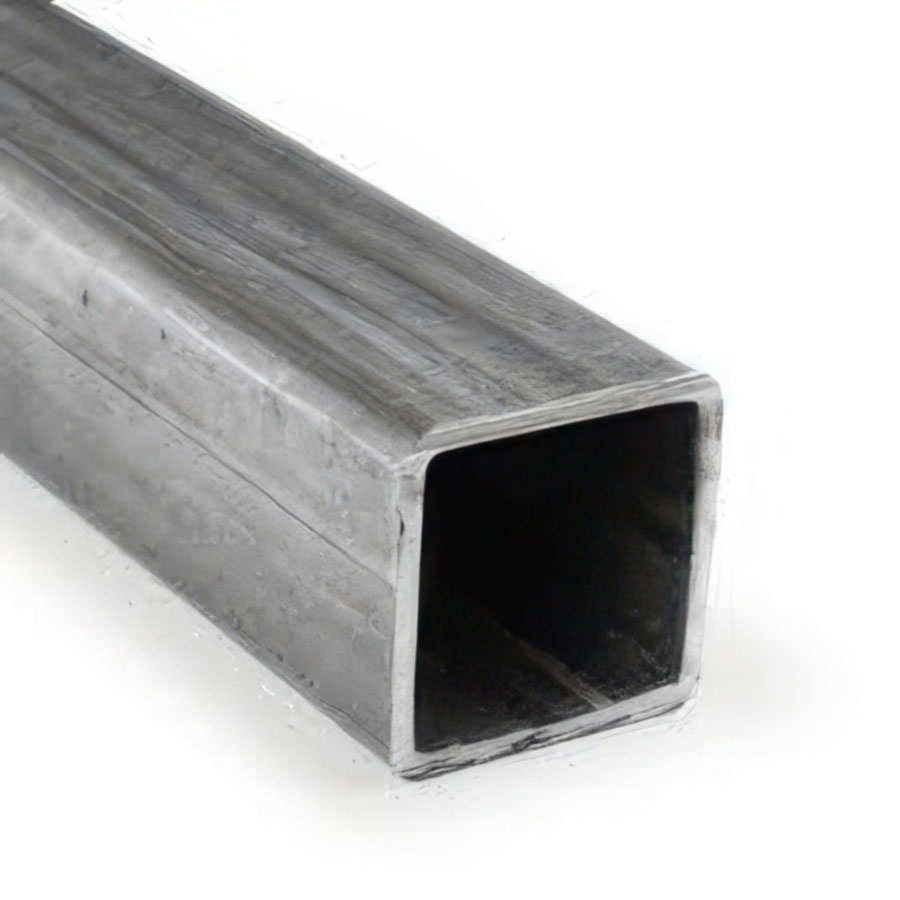
316 stainless steel square tube represents one of the most versatile and widely used structural materials in modern industry. This article explores its properties, applications, and significance across various sectors.


Material Composition and Properties:
316 stainless steel contains approximately 16-18% chromium, 10-14% nickel, and 2-3% molybdenum. The addition of molybdenum significantly enhances corrosion resistance, particularly against chlorides and other harsh chemicals. The square tube format provides excellent structural integrity while maintaining relatively light weight.
Key Characteristics:
Superior corrosion resistance
High strength-to-weight ratio
Excellent weldability
Temperature resistance (-254°C to 800°C)
Non-magnetic properties
Aesthetic appearance
Easy maintenance
Industrial Applications:
Marine Industry:
Boat railings and frameworks
Offshore platform components
Marine equipment manufacturing
Dock construction elements
Chemical Processing:
Transport piping systems
Storage tank construction
Process equipment fabrication
Chemical reactor components
Architecture and Construction:
Structural support elements
Decorative installations
Handrails and balustrades
Building facades
Food and Beverage Industry:
Processing equipment
Storage tanks
Transport systems
Sanitary fittings
Manufacturing Process:
The production of 316 stainless steel square tube involves several steps:
Hot rolling of steel billets
Formation into square shapes
Welding of seams
Heat treatment
Surface finishing
Quality inspection
Market Trends:
The global demand for 316 stainless steel square tube continues to grow, driven by:
Increasing infrastructure development
Growing marine industry requirements
Expansion of food processing facilities
Rising chemical industry demands
Installation and Maintenance:
Installation requires proper handling and specific welding techniques. Regular maintenance typically involves:
Periodic cleaning
Inspection for damage
Corrosion monitoring
Surface treatment when necessary
Economic Considerations:
While initial costs may be higher than alternative materials, 316 stainless steel square tube offers:
Long-term cost effectiveness
Reduced maintenance requirements
Extended service life
High salvage value
Environmental Impact:
316 stainless steel is environmentally friendly because:
It’s 100% recyclable
Has long service life
Requires minimal coating or treatment
Reduces waste through durability
Safety Considerations:
When working with 316 stainless steel square tube:
Use appropriate handling equipment
Follow proper welding procedures
Maintain safe storage practices
Implement correct cutting techniques
Future Prospects:
The future of 316 stainless steel square tube looks promising with:
Emerging applications in renewable energy
Advanced manufacturing techniques
New surface treatment technologies
Innovative joining methods
Quality Standards:
Products must meet various international standards:
ASTM specifications
ISO requirements
Industry-specific certifications
Regional building codes
Selection Criteria:
When choosing 316 stainless steel square tube, consider:
Load-bearing requirements
Environmental conditions
Budget constraints
Installation methods
Aesthetic requirements
This material continues to be a cornerstone in modern engineering and construction, offering an optimal balance of strength, durability, and corrosion resistance. Its versatility and reliability ensure its position as a preferred choice for demanding applications across multiple industries.
316 Stainless Steel Square Tube: A Comprehensive Analysis — This article provides a practical buyer‑focused overview with specifications, selection tips, and on‑site considerations. Explore related topics: blog.
Key Specifications and Standards
- Standards: ASTM / EN / JIS (e.g., ASTM A240/A36, EN 10088/10025, JIS G4304/G3131).
- Surface options: 2B, BA, No.4, HL, mirror; galvanized (electro / hot‑dip).
- Processing: hot‑rolled, cold‑rolled, annealed & pickled, welded or seamless.
- Typical services: slitting, shearing, cut‑to‑length, drilling, beveling, deburring.
- Documentation: MTC, CO, packing list with net/gross weight and heat numbers.
Typical Applications
Construction, machinery, automotive, energy, enclosures and fencing, food equipment (for stainless), and general fabrication. Match grade and finish to corrosion, strength, and appearance requirements.
Selection Guide
- Use certified material with Mill Test Certificate (MTC).
- Confirm standards (ASTM/EN/JIS) and tolerances per drawing.
- Match surface finish to application (2B/BA/No.4/galvanized).
- Specify dimensions and acceptable deviation upfront.
- Plan packaging and corrosion protection for transit.
Processing, Packaging and Logistics
We adopt edge protection, waterproof wrapping, rust‑inhibiting paper, fumigated pallets, and strapping suitable for sea freight. Loading photos and weight lists are provided for each shipment.
FAQs
Q: What lead time can I expect?
A: Typically 7–15 days ex‑works for standard sizes; custom processing may extend the schedule.
Q: Can you provide cut‑to‑size service?
A: Yes. We slit, shear, cut, drill, bevel and deburr to drawing to reduce waste and speed installation.
Q: How do you ensure quality?
A: Incoming inspection, process control, and final inspection with traceable heat numbers; third‑party inspection is available.
Q: Do you support small trial orders?
A: We support pilot quantities with consolidated shipping to control cost.
All values are typical and for guidance only; confirm with the datasheet and purchase order before production.
Related products: view details.
Related products: view details.


Leave a Reply