
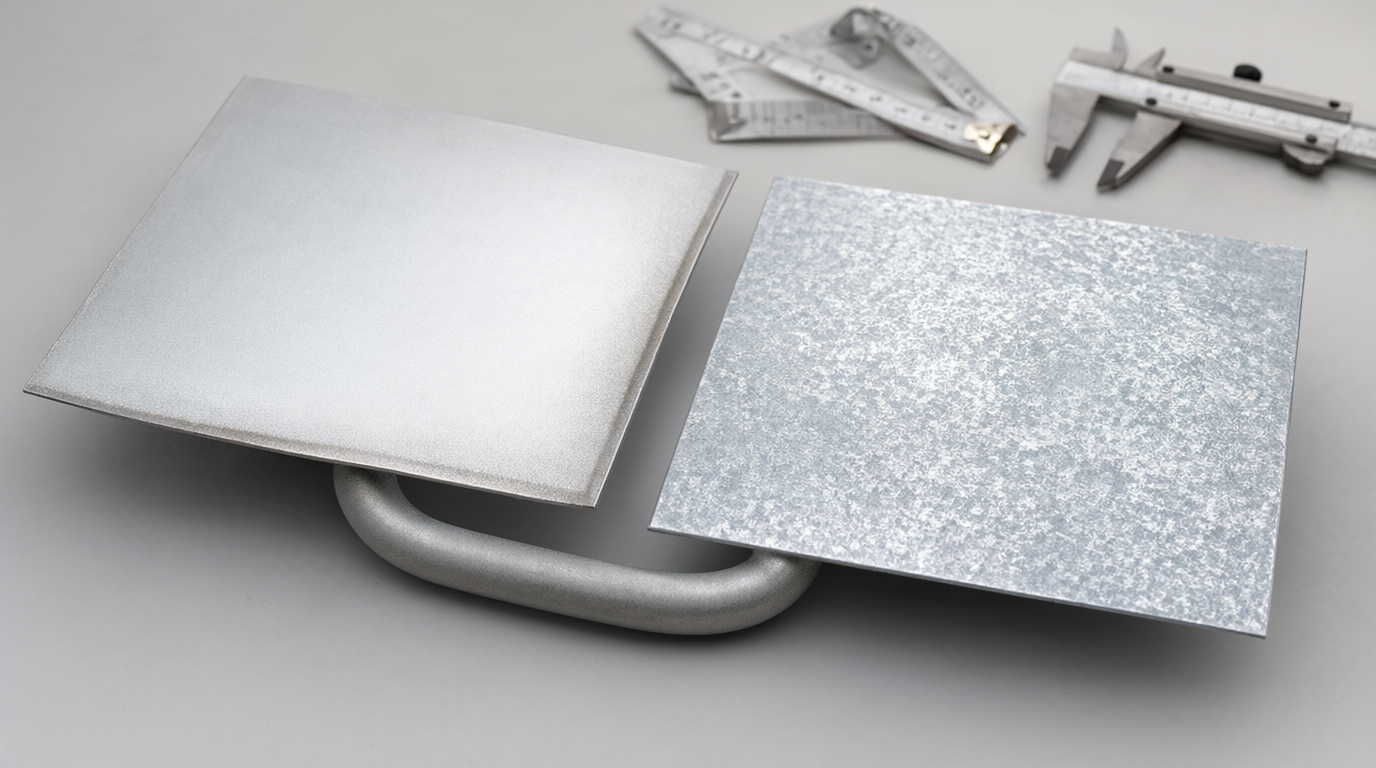
Aluminized steel and galvanized steel are both carbon steel with a protective metallic coating, and at a glance they can look almost the same. In service, however, they behave very differently. One is chosen for heat, the other for corrosion, and specifying the wrong one leads to early failure.
This guide explains what each coating is, where each performs best, and how to compare them for a real project.
What Is Aluminized Steel?
Aluminized steel is carbon steel coated with aluminium or an aluminium-silicon alloy. Type 1 uses an aluminium-silicon coating and is designed primarily for high-temperature service, where the coating forms a thin, stable aluminium oxide layer that resists scaling and oxidation. Type 2 uses commercially pure aluminium and is intended more for atmospheric corrosion resistance.
The coating is applied by hot dipping in a continuous process, producing a metallurgically bonded layer. The steel core gives strength and formability, while the coating provides heat and corrosion resistance.
What Is Galvanized Steel?
Galvanized steel is carbon steel coated with zinc, usually by hot-dip galvanizing or by a continuous galvanizing line for sheet and coil. The zinc protects the steel both as a barrier and sacrificially: if the coating is scratched, the zinc around the damage corrodes first and protects the exposed steel. Coating weight is specified in g/m2 or by designations such as Z120, Z275 and G90.
The Coating Difference in One Sentence Each
Aluminized steel fights heat and oxidation with an aluminium-rich oxide layer. Galvanized steel fights corrosion with a sacrificial zinc layer. Almost every practical difference follows from this.
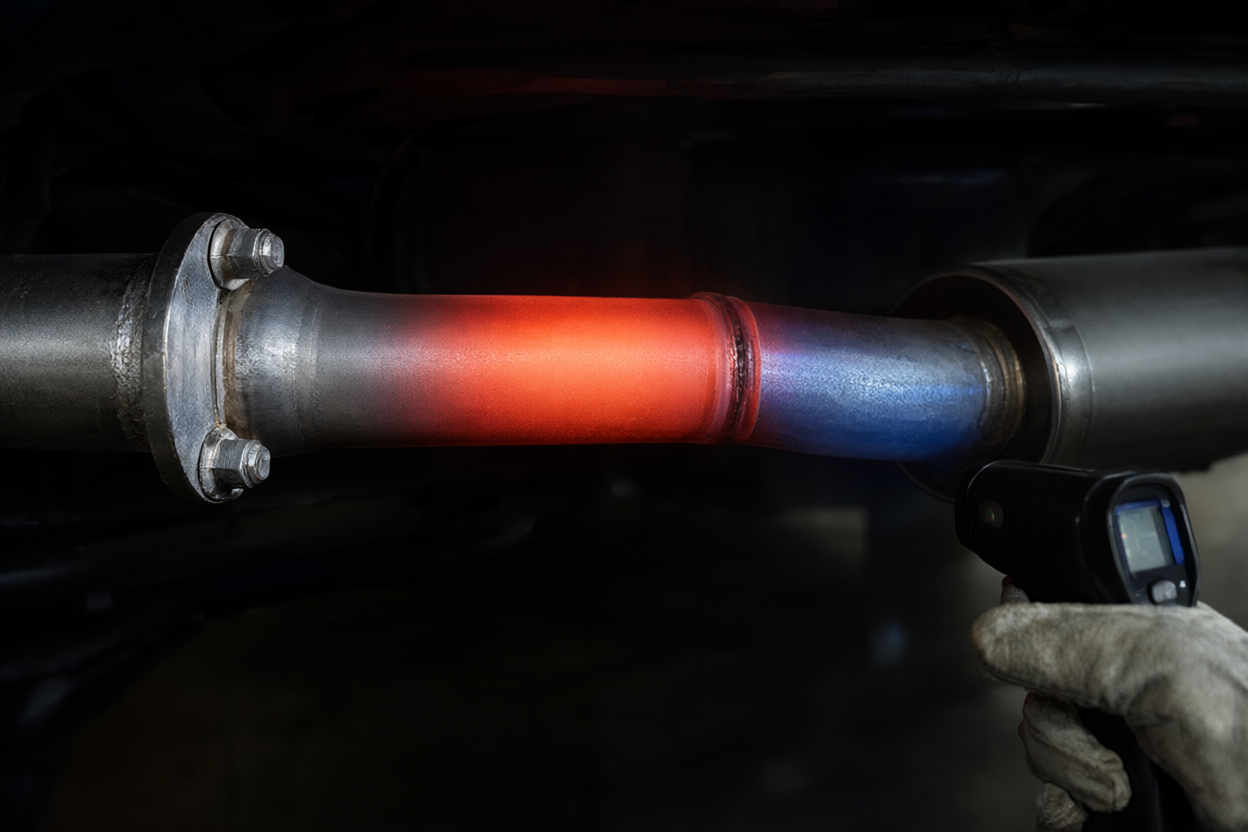
Heat Resistance: Where Aluminized Steel Wins Clearly
This is the defining advantage of aluminized steel. The aluminium oxide layer remains stable at temperatures that would quickly destroy a zinc coating.
| Property | Aluminized steel (Type 1) | Galvanized steel |
|---|---|---|
| Typical continuous service | Up to about 650 C | Up to about 200 C |
| Short-term / peak exposure | Up to about 800 C in oxidising conditions | Zinc melts at about 419 C; coating fails |
| Scaling resistance | Excellent; reflective surface resists oxidation | Poor at high temperature |
| Heat reflectivity | High; useful for heat shields | Low once coating oxidises |
Above roughly 200 C, galvanized coatings oxidise and eventually fail, so they are unsuitable for exhaust, oven and heat-shield applications. Aluminized steel is the standard choice for automotive exhaust components, mufflers, ovens, dryers and heat exchangers.
Corrosion Resistance: Where Galvanizing Usually Wins
At ambient and moderately elevated temperatures, zinc is the more effective protector in most atmospheric environments, especially where the coating is scratched. Zinc protects the exposed steel sacrificially, while aluminium relies more on barrier protection and its oxide layer.
In coastal, industrial and de-icing salt environments, a properly specified galvanized coating typically provides longer, more predictable protection. Aluminized steel performs well in many atmospheric environments and offers good resistance to some specific media, but it does not offer the same self-sacrificing behaviour at a damaged edge.
Welding, Forming and Fabrication
- Forming: both coatings are ductile and can be bent and roll-formed, but severe deformation can crack the coating at tight radii. Aluminized coatings are generally good in forming.
- Welding: both require care. Zinc fumes from galvanized steel are a health hazard and demand fume extraction; the coating must often be removed at the weld zone first. Aluminized steel welds reasonably but the coating is destroyed locally and must be protected afterward.
- Cut edges: galvanized steel protects cut edges sacrificially; aluminized steel offers less protection there, so edges in corrosive service may need coating.
- Fastening: use coated or stainless fasteners suitable for the environment, and isolate dissimilar metals where necessary.
Appearance and Painting
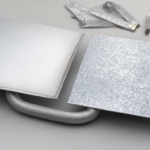
Aluminized steel has a smooth, matte light-silver finish that darkens slightly with heat, which is acceptable in hidden or functional parts such as exhausts. Galvanized steel has a brighter, colder, crystalline spangle. Both can be painted, but each needs the correct pretreatment: zinc surfaces require an appropriate primer to ensure adhesion, and aluminized surfaces also need a compatible pretreatment. In many applications both are used bare.
Cost Comparison
| Cost factor | Aluminized steel | Galvanized steel |
|---|---|---|
| Base material | Higher than galvanized sheet | Lower |
| Coating cost | Moderate to high | Moderate |
| Availability | Narrower range, mainly sheet and tube | Very wide range of sheet, coil, tube, wire, bar |
| Life-cycle value | Best where heat dominates | Best where corrosion dominates |
Typical Applications Side by Side
| Application | Preferred coating |
|---|---|
| Automotive exhaust and mufflers | Aluminized |
| Ovens, furnaces and heat shields | Aluminized |
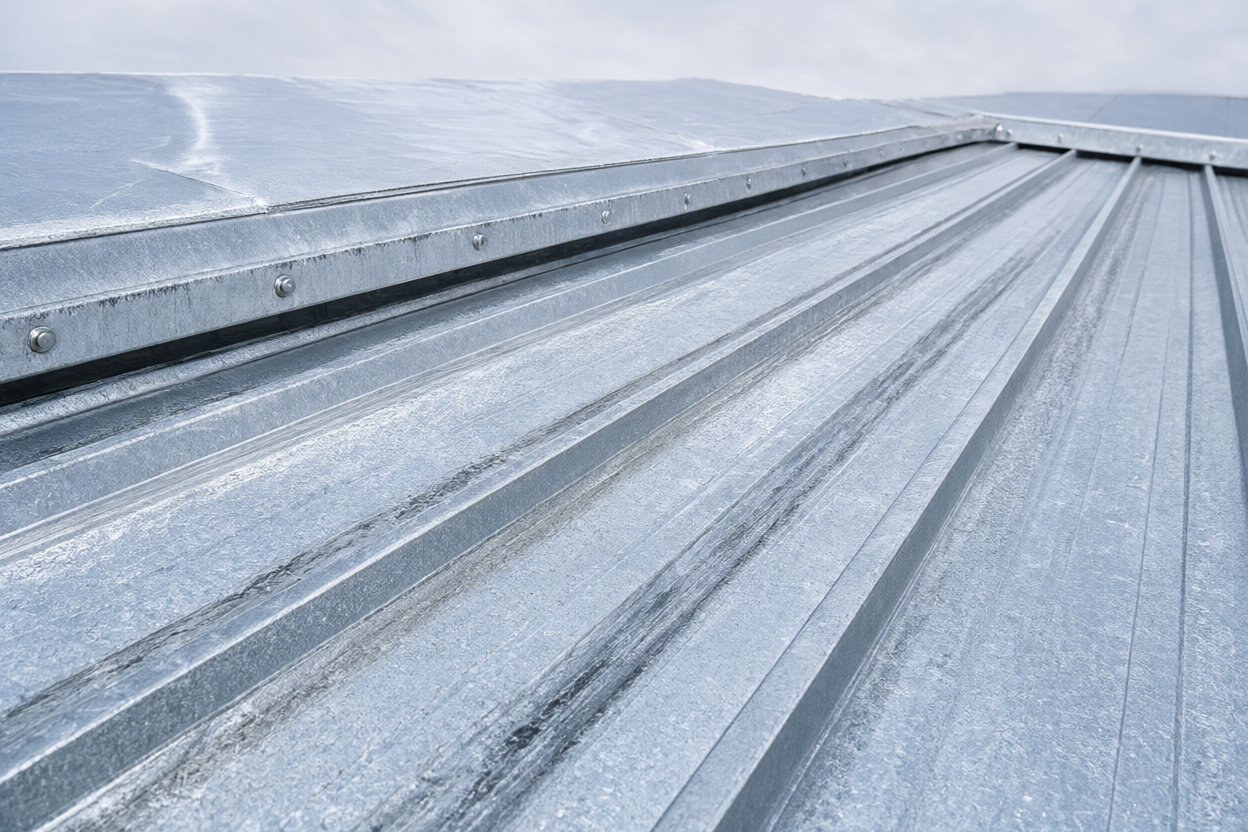
| Roofing and cladding | Galvanized |
| HVAC ducting | Galvanized |
| Agricultural and fencing structures | Galvanized |
| Structural steel outdoors | Galvanized |
| Heat exchangers and dryer components | Aluminized |
Selection Guide
Ask one question first: will the part see sustained temperatures above about 200 C? If yes, aluminized steel is usually the only viable coated option. If the part is a normal outdoor or indoor component exposed to moisture and salt at ambient temperature, galvanized steel is normally the better and more economical choice.
FAQ
Is aluminized steel better than galvanized steel?
Only for heat. For general ambient corrosion protection, especially with damaged edges and in salt environments, galvanized steel is usually superior.
Can galvanized steel be used for exhaust systems?
Not reliably. Exhaust temperatures exceed the working range of zinc coatings, which oxidise and fail, so aluminized or stainless steel is used instead.
Is aluminized steel rust-proof?
No coating makes steel permanently rust-proof. Aluminized steel resists oxidation and heat well, but cut edges and severe corrosive exposure can still rust, so design and maintenance still matter.
Can aluminized and galvanized steel be welded together?
They can be welded, but the coatings are damaged at the joint and mixed fumes must be controlled. Remove coatings locally, use suitable filler, and re-protect the weld area.
Final Buying Advice
Match the coating to the dominant threat. Heat means aluminized; corrosion at ambient temperature means galvanized. If both heat and severe corrosion are present, stainless steel may be the more honest answer. BaoLi supplies galvanized steel sheet, coil, pipe and bar, plus carbon steel and stainless steel for coated and uncoated applications. For specification help, use Contact Us.
Related pages: Galvanized Steel | Carbon Steel | Services | Contact Us