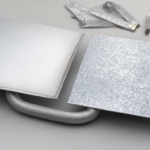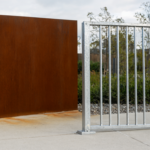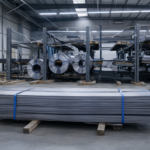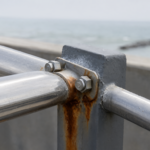
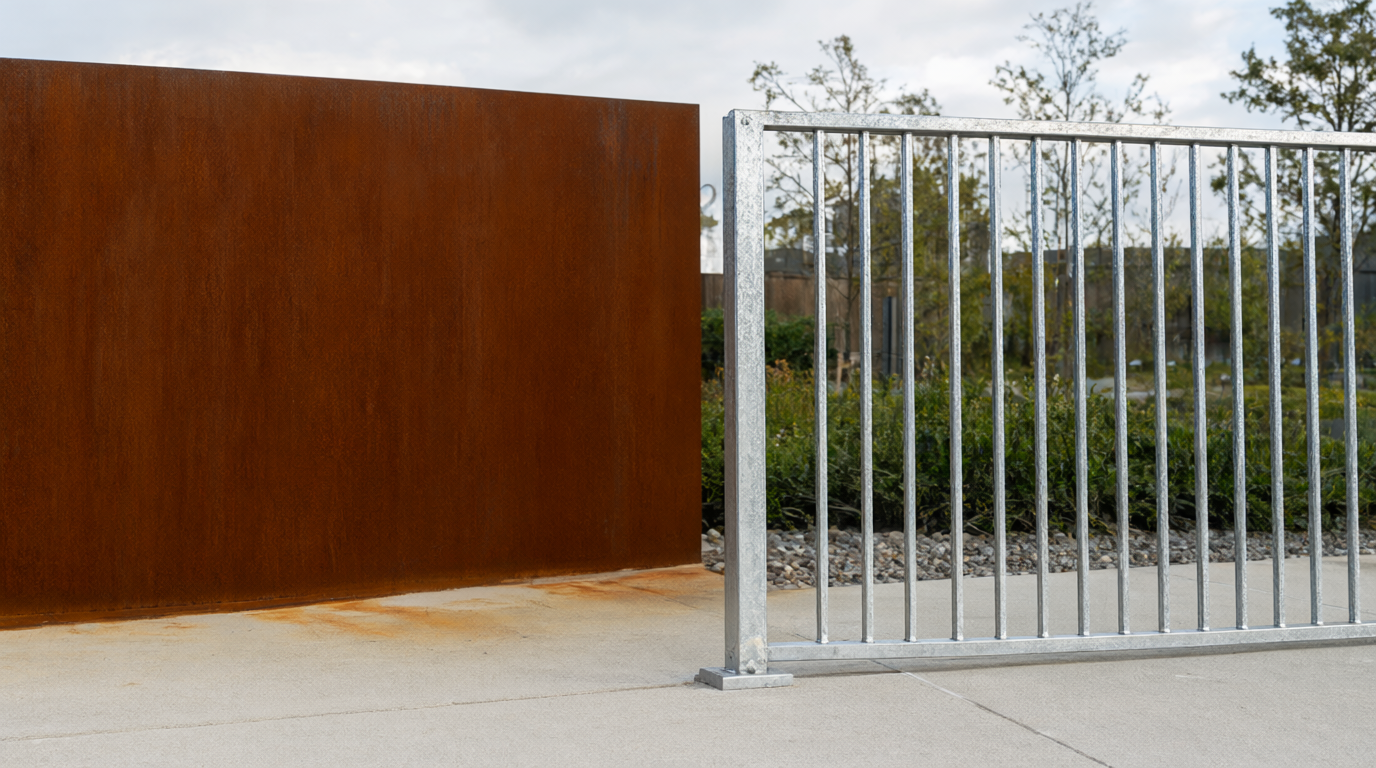
Two steel structures can stand side by side for decades with almost no maintenance and still be completely different materials. One is bare weathering steel with a stable rust patina. The other is hot-dip galvanized steel with a bright zinc coating. Both are widely used outdoors, but they fail, weather and age in opposite ways.
Choosing between them is not a question of which is stronger. It is a question of environment, appearance, maintenance expectations and total cost. This guide compares the two materials honestly.
Two Very Different Ways to Survive Outdoors
Weathering steel protects itself with its own corrosion product. Galvanized steel protects itself with a sacrificial metal coating. One turns brown and stays brown; the other stays metallic grey and slowly consumes its zinc. Understanding that single difference explains almost every other behaviour.
How Weathering Steel Works
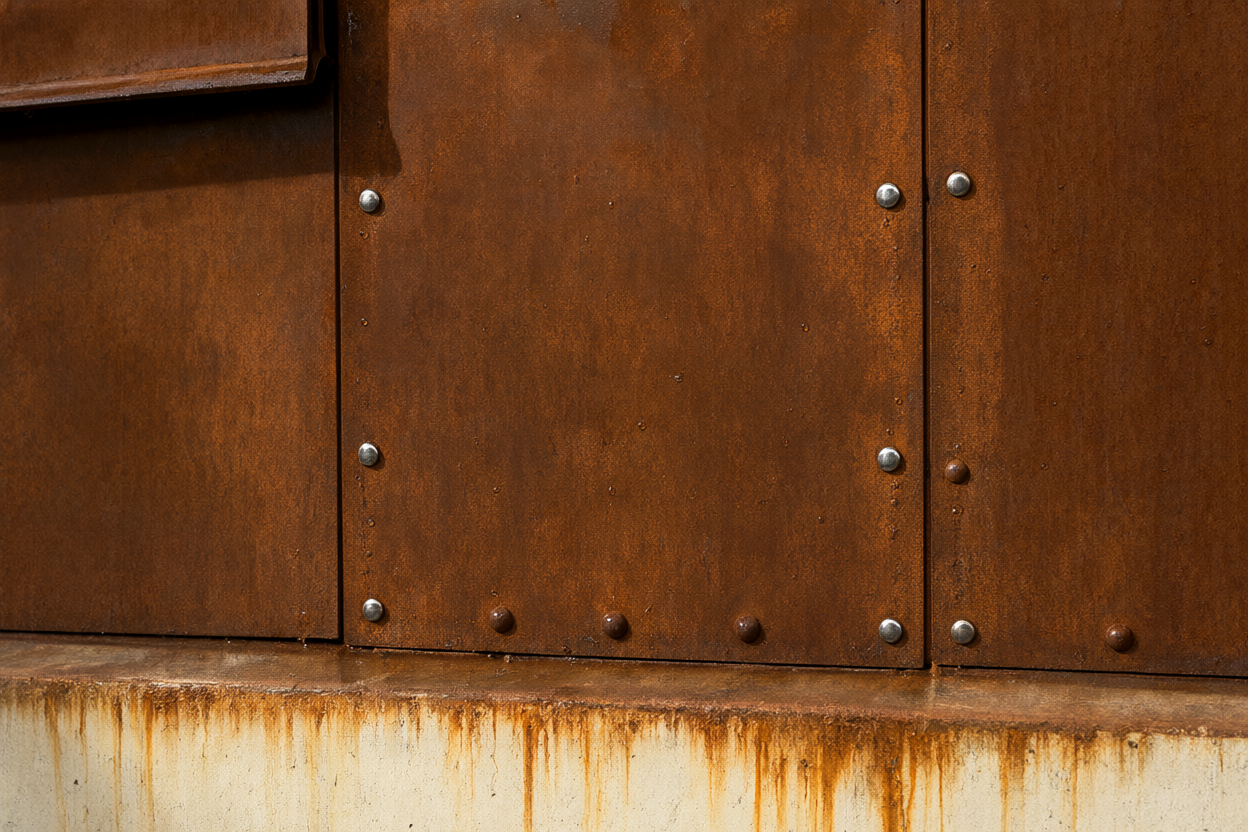
Weathering steel, often called Corten steel, contains small additions of copper, chromium, nickel and phosphorus. In an atmosphere with alternating wet and dry cycles, these elements help form a dense, adherent oxide layer on the surface. This patina is stable, tightly bonded and slows further corrosion dramatically compared with ordinary carbon steel.
Common specifications include ASTM A588, ASTM A242, Corten A and Corten B, and European grades such as S355J2W and S355J0WP. The patina needs dry periods to form, so weathering steel performs best in open, well-drained, well-ventilated positions.
How Hot-Dip Galvanizing Works
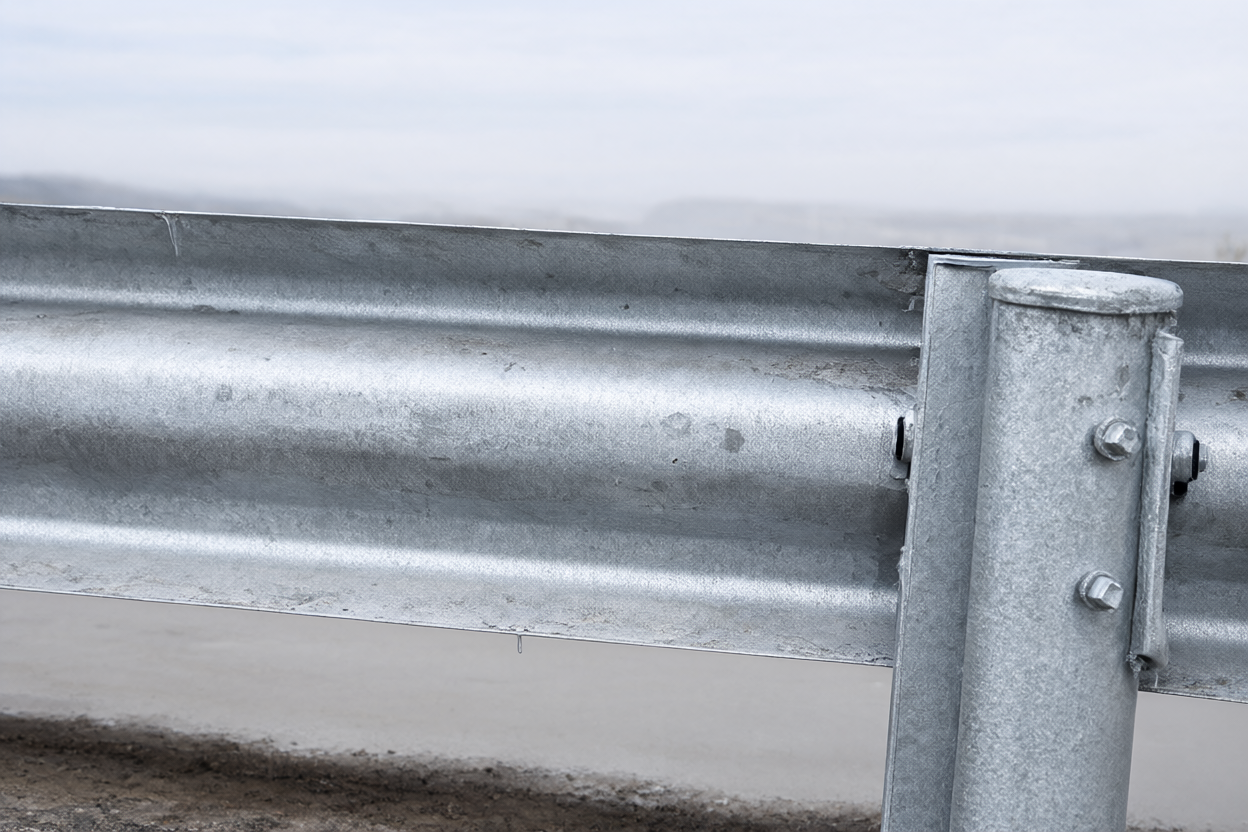
Hot-dip galvanizing immerses prepared steel in molten zinc, forming a metallurgically bonded zinc coating. The zinc protects the steel in two ways. It is a physical barrier, and it is sacrificial: if the coating is scratched, the surrounding zinc corrodes preferentially and protects the exposed steel. Standards such as ASTM A123 and ISO 1461 define coating thickness and quality.
Galvanizing performs well in most atmospheres from rural to industrial, and it needs no patina-forming cycle. Its service life depends mainly on coating thickness and the corrosivity of the environment.
Side-by-Side Comparison
| Factor | Weathering steel (Corten) | Hot-dip galvanized steel |
|---|---|---|
| Protection mechanism | Stable oxide patina | Sacrificial zinc coating |
| Appearance | Warm brown, rust-like, changing over time | Bright to matte grey, crystalline spangle |
| Staining | Can stain concrete and adjacent surfaces | Minimal; occasional white zinc bloom |
| Coastal performance | Poor in salt-laden air and constant wetting | Good to excellent with adequate coating |
| Maintenance | Usually none once patina forms | None until zinc is consumed |
| Repair after damage | Patina re-forms slowly | Repair with zinc-rich paint |
| Relative first cost | Higher material cost | Lower material, added coating cost |
Where Weathering Steel Wins
- Architectural facades, sculptures, bridges and landscape features where the patina is part of the design.
- Open, well-drained, rural or industrial atmospheres with good wet-dry cycling.
- Projects that want zero coating maintenance and accept surface staining.
- Unpainted, exposed structures where a natural, changing material is desirable.
Where Galvanizing Wins
- Coastal, marine and de-icing salt environments, where the sacrificial zinc performs far better than a patina.
- Structures that must stay visually consistent and clean, such as railings and handrails.
- Buried, splash-zone and constantly wet conditions where weathering steel patina cannot stabilise.
- Projects with tight budgets that still need long, predictable service life.
- Detailed fabrications with complex shapes and hidden surfaces that must all be protected.
The Maintenance and Staining Question
Weathering steel is often described as maintenance-free, and once a stable patina forms this is largely true. The catch is staining. During the early years, and whenever water runs off unweathered surfaces, rust can mark concrete, paving, cladding and nearby materials. Designers manage this with drip details, gravel margins and careful detailing, but the staining is permanent and must be planned for.
Galvanized steel avoids this problem. Its zinc coating can produce a light white zinc-oxide bloom in wet, poorly ventilated stacks, but in service it typically stays clean. Galvanizing is also easy to touch up locally with zinc-rich paint.
Cost: First Cost vs Life-Cycle Cost
Weathering steel usually costs more per tonne than ordinary carbon steel, and it must be used bare to benefit from its patina, so there is no cheap paint alternative to compare against. Galvanized steel has a lower base material cost plus the cost of galvanizing, but it delivers a long, predictable coating life.
The honest comparison is life-cycle cost. In a suitable environment, both materials can reach 30 to 50 years with little maintenance. In an unsuitable environment, such as a salt-spray zone, weathering steel may corrode steadily and disappoint, while galvanizing simply consumes its zinc more quickly and still protects the steel.
Common Mistakes With Each Material
Corten mistakes
- Using weathering steel in coastal or constantly wet locations and expecting a stable patina.
- Painting it, which prevents the patina from forming.
- Ignoring run-off staining on adjacent concrete and finishes.
- Burying it in soil, where the wet-dry cycle never develops.
Galvanizing mistakes
- Specifying too thin a coating for a corrosive environment.
- Failing to provide vent and drain holes so the coating forms properly inside hollow sections.
- Welding after galvanizing and leaving the welds uncoated.
- Storing galvanized steel in tight, wet stacks and creating white rust.
Selection Guide by Application
| Application | Recommended material |
|---|---|
| Coastal railing or walkway | Hot-dip galvanized (or stainless in severe service) |
| Architectural facade with patina | Weathering steel |
| Highway guardrail | Hot-dip galvanized |
| Landscape sculpture | Weathering steel |
| Agricultural shed frame | Hot-dip galvanized |
| Bridge parapet in dry climate | Either, chosen for appearance |
FAQ
Is Corten steel better than galvanized steel?
Neither is universally better. Corten is better when the patina appearance and low maintenance suit the project and the environment supports patina formation. Galvanizing is better in salt, wet or buried conditions and where a consistent grey finish is required.
Can weathering steel be galvanized?
It can be galvanized, but doing so hides the patina, so the two protection methods are normally used separately. If a weathering steel item must be coated, use a suitable paint system instead.
How long does galvanized steel last outdoors?
In rural and suburban atmospheres, 50 years or more is realistic with a standard coating. In coastal and industrial environments, life is shorter and coating thickness should be increased.
Does weathering steel rust through?
In a suitable environment, the patina stabilises and metal loss stays low. In continuously wet, salty or buried conditions, it can continue to corrode and may rust through over time.
Final Buying Advice
Choose weathering steel for appearance and low maintenance in a supportive environment. Choose hot-dip galvanized steel for salt, wet, buried or visually consistent applications. When in doubt, ask which failure mode the site can tolerate: rust staining or gradual zinc consumption. BaoLi supplies carbon steel, galvanized steel and stainless steel for outdoor structures. For material selection support, use Contact Us.
Related pages: Galvanized Steel | Carbon Steel | Services | Contact Us